Essential Off-Road Recovery Gear for Safe Adventures
Apr 08,2026
The Essential Off-Road Recovery Gear You Need for Any Adventure
Getting stuck off-road can quickly turn an exciting adventure into a frustrating, even dangerous, situation. Imagine yourself deep in the backcountry, miles from pavement, with your vehicle buried in sand, mud, or snow. Without the right off-road recovery gear, a simple setback can escalate into a major problem, costing you time, money, and potentially putting your safety at risk. As someone who understands the value of preparedness, I can tell you that investing in quality recovery equipment is not an option, it is a necessity for anyone venturing beyond paved roads. You need reliable tools to safely extract your vehicle and continue your journey or help others in need. This guide outlines the essential gear and techniques to ensure you are always ready for the unexpected.
Essential Off-Road Recovery Gear for Your Vehicle
When preparing for an off-road trip, you must equip your vehicle with specific recovery tools. These items can make the difference between a quick self-recovery and a lengthy, expensive tow.
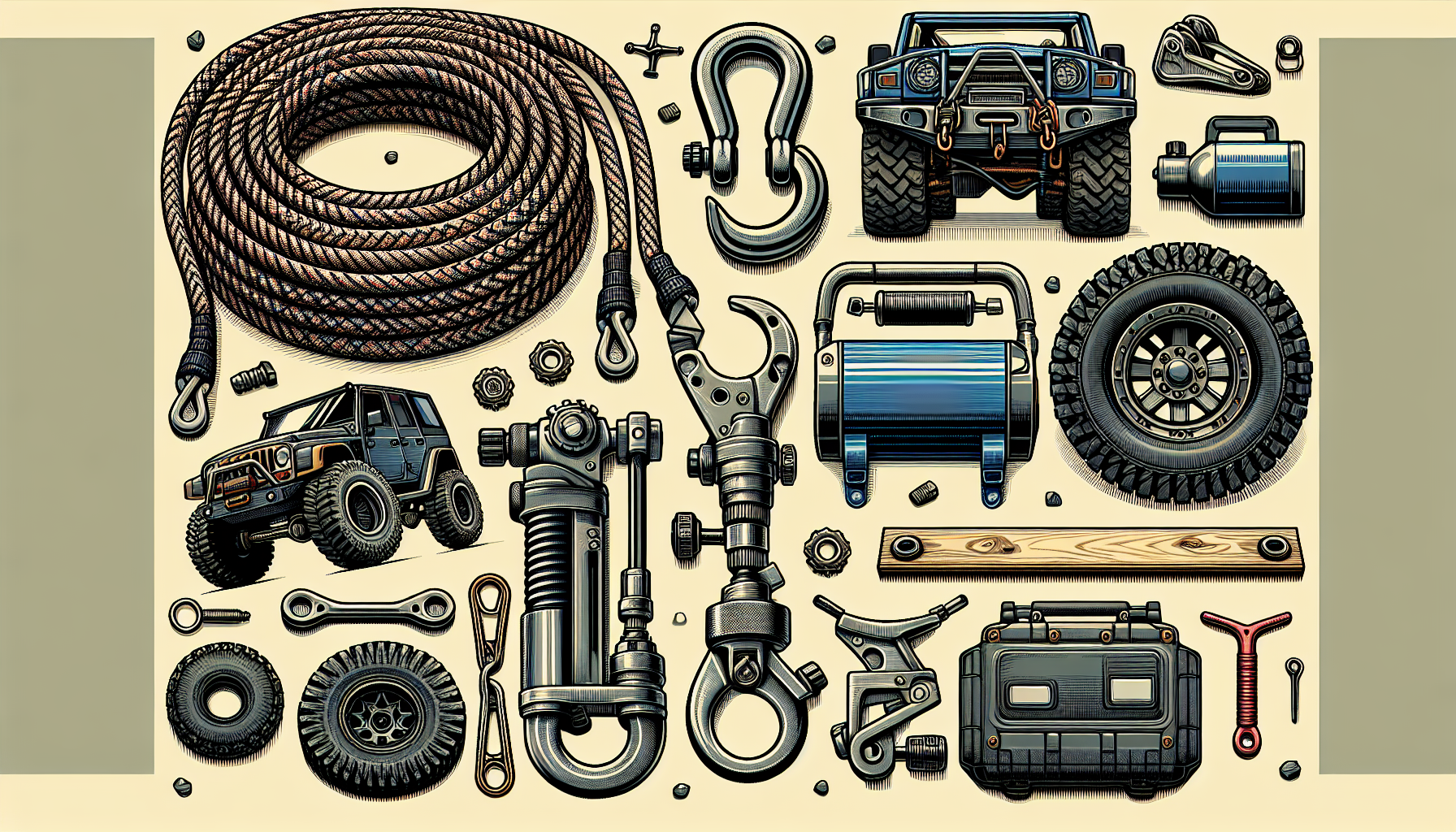
Winch: A vehicle-mounted winch is often the first line of defense. Electric winches, like those from Warn or Smittybilt, typically range from $600 to $2,000 for a 10,000 to 12,000-pound capacity, suitable for most SUVs and trucks. Ensure your winch has a synthetic rope, which is safer and lighter than steel cable.
Recovery Straps and Tree Savers: A kinetic energy recovery rope, sometimes called a snatch strap, is crucial. These ropes stretch to absorb kinetic energy, providing a smooth, powerful pull. A 30-foot, 30,000-pound capacity kinetic rope costs about $100 to $250. You also need a tree saver strap, a wide strap that protects trees when using them as anchor points, usually costing $30 to $70.
Shackles/Soft Shackles: D-rings or bow shackles connect recovery straps to your vehicle's recovery points. Modern soft shackles, made from synthetic rope, are safer and lighter, costing around $20 to $50 each. You should carry at least two.
Recovery Boards: Traction boards, like Maxtrax or ActionTrax, provide a solid surface for your tires to grip when stuck in sand, mud, or snow. A set of two can cost $200 to $400. They are invaluable for self-recovery without another vehicle.
High-Lift Jack: A high-lift jack offers versatility for lifting your vehicle, changing tires, or even as a hand-winch in some situations. These robust jacks cost about $100 to $250.
Gloves and Shovel: Heavy-duty gloves protect your hands during recovery operations. A compact, sturdy shovel helps clear debris, dig out tires, or create a path. These basic tools are inexpensive, typically under $50 for both.
Effective Recovery Techniques and Safety Protocols
Having the right off-road recovery gear is only half the battle, knowing how to use it safely and effectively is paramount. Improper recovery can cause vehicle damage, serious injury, or even fatalities. Always prioritize safety.
Before any recovery attempt, assess the situation thoroughly. Identify the type of terrain, the vehicle's position, and potential anchor points. Ensure everyone involved understands the plan and stays clear of tensioned lines.
Consider this scenario: You are driving a 2018 Toyota Tacoma, weighing approximately 4,500 pounds, on a remote trail. You encounter a muddy section and, despite careful driving, your rear wheels spin, and the truck sinks to its frame.
Before: Without proper off-road recovery gear and knowledge, you would be stranded. Calling for a professional tow service in a remote area could cost $500 to $1,500 or more, with potential delays of many hours or even days. The risk of hypothermia or other dangers increases significantly.
After: With a 10,000-pound synthetic rope winch, a tree saver, and two soft shackles, you can implement a self-recovery. You attach the tree saver to a sturdy tree 50 feet ahead, secure the winch line to the tree saver using a soft shackle, and engage your winch. With careful control, the winch pulls your truck out of the mud within 15 minutes. The cost of the recovery itself is zero, beyond the initial investment in gear. More importantly, you maintain control of the situation, minimize risk, and continue your journey without significant delay.
Always follow manufacturer guidelines for your equipment. Perform pre-trip checks of all gear, ensuring ropes are free from damage and shackles are in good condition. You should also carry a first-aid kit, communication devices, and plenty of water.
Preparation, Maintenance, and Skill Development
Your off-road adventures become safer and more enjoyable with thorough preparation and ongoing skill development. Merely owning recovery gear does not guarantee successful outcomes, you must know how to use it proficiently.
Regularly inspect your off-road recovery gear. Check winches for cable wear, electrical connections, and proper function. Examine recovery straps for fraying, cuts, or damaged stitching. Clean mud, sand, or dirt from all equipment after each use to prevent degradation. Store items properly, protected from UV exposure and moisture, which can weaken materials over time. For example, a synthetic winch rope, if left exposed to sun and elements, can lose 10% of its strength annually. Proper storage extends its life significantly, protecting your investment.
Investing in training is equally important. Consider attending an off-road recovery course. Many organizations offer hands-on training sessions where you learn techniques like proper winching angles, snatch strap use, and high-lift jack operation under expert supervision. These courses typically range from $150 to $500 for a weekend session. Practical experience builds confidence and teaches you to react calmly and effectively when faced with challenging situations.
You should also plan your routes carefully, researching terrain conditions and potential obstacles. Carry maps, GPS devices, and understand basic vehicle mechanics to diagnose minor issues in the field. A well-maintained vehicle and a well-trained driver equipped with reliable off-road recovery gear are an unstoppable combination.
This comprehensive guide on off-road recovery gear helps build topical authority by addressing a critical aspect of off-roading. It provides detailed, practical information on essential equipment, safety protocols, and preparation, making it a valuable resource for anyone interested in venturing off-pavement. This post supports a broader keyword cluster related to vehicle preparedness, outdoor adventure safety, and specialized automotive equipment.
Being prepared for the unexpected is crucial for any adventure. If you are looking to equip your vehicle or enhance your off-road capabilities, understanding the right tools is the first step. To explore more ways we can help you with vehicle outfitting or adventure planning, please visit our services pages for [link to Vehicle Outfitting page here] and [link to Adventure Planning page here]. We are here to support your journey.
Comment