



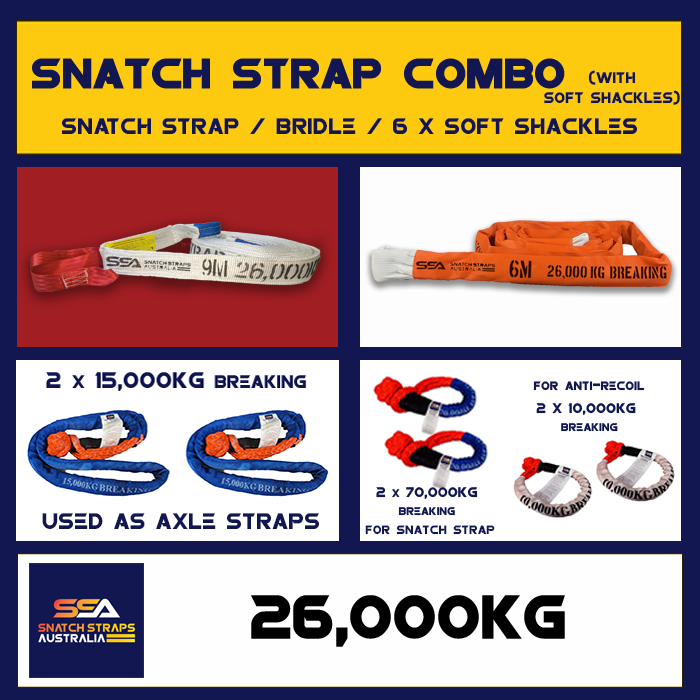
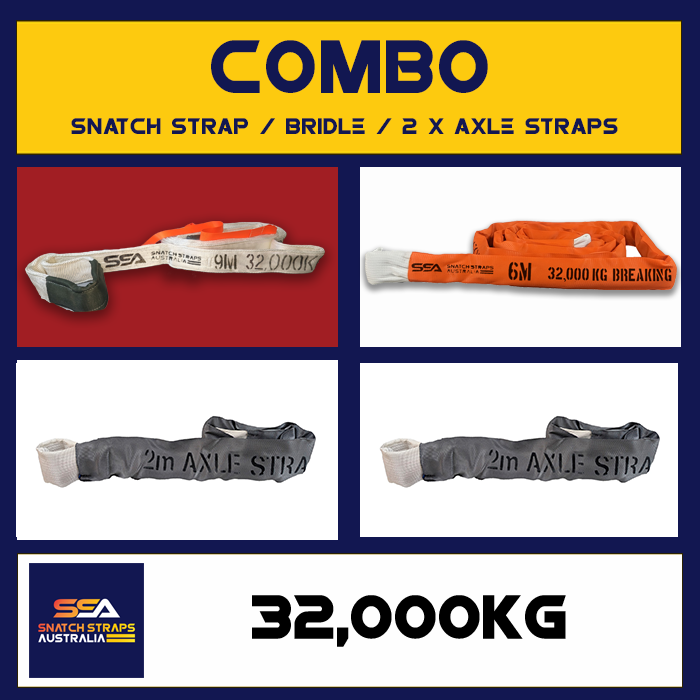
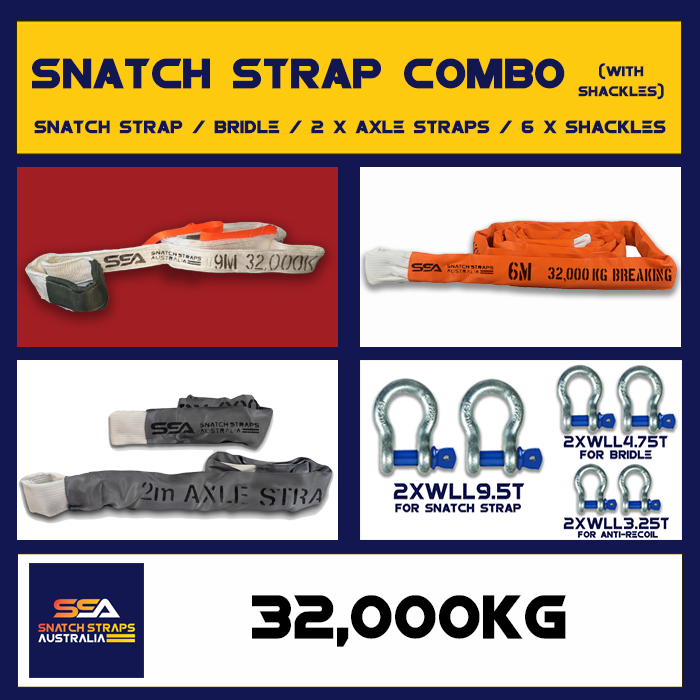
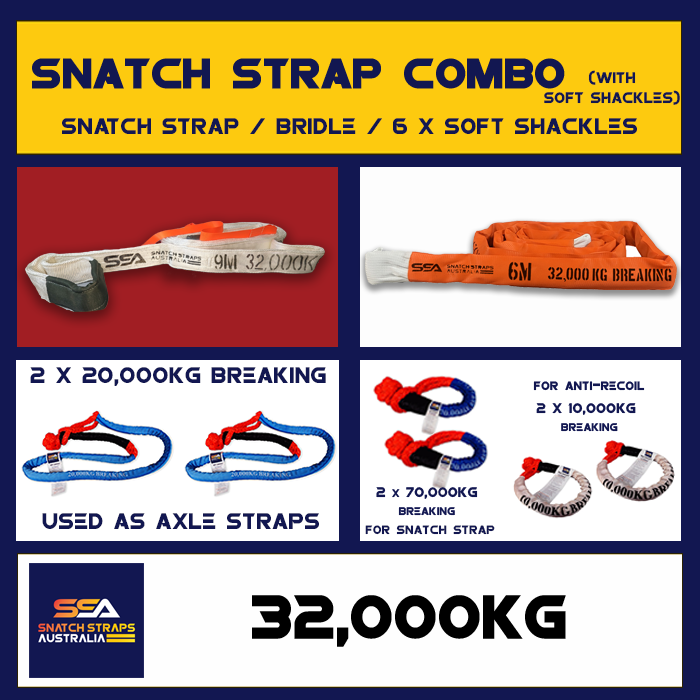
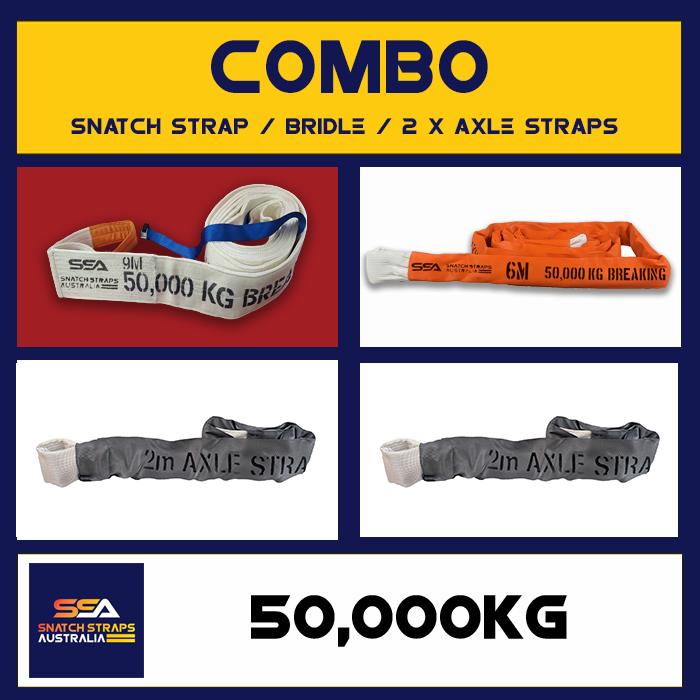
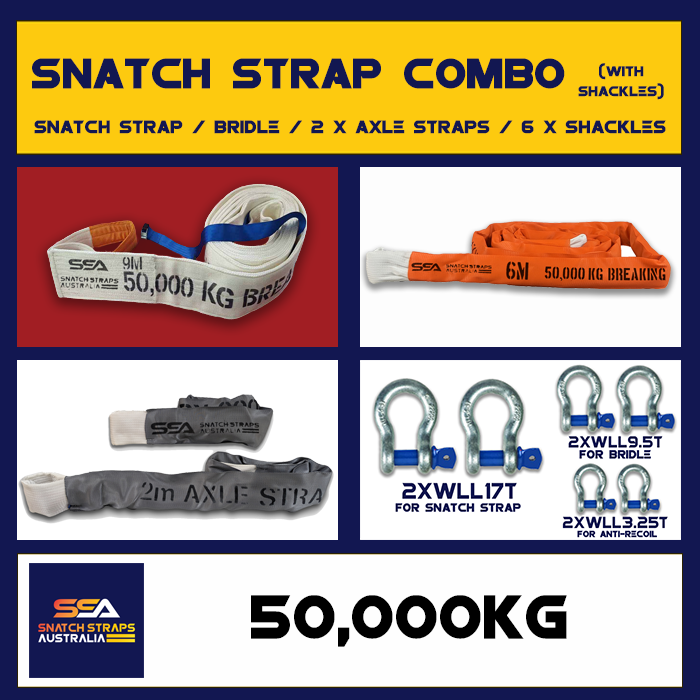
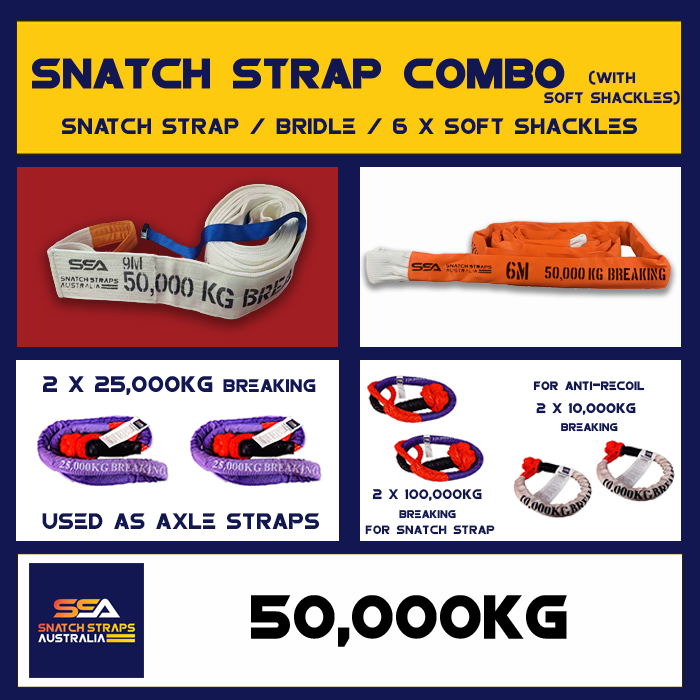
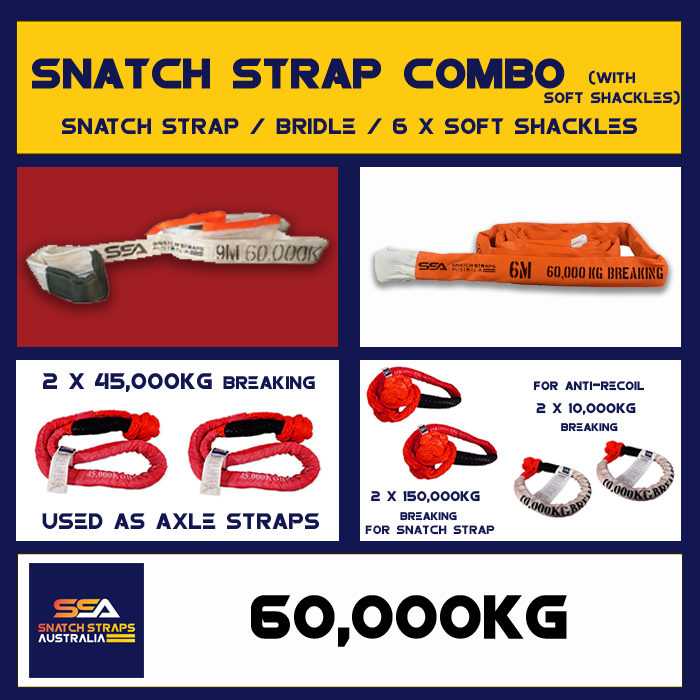
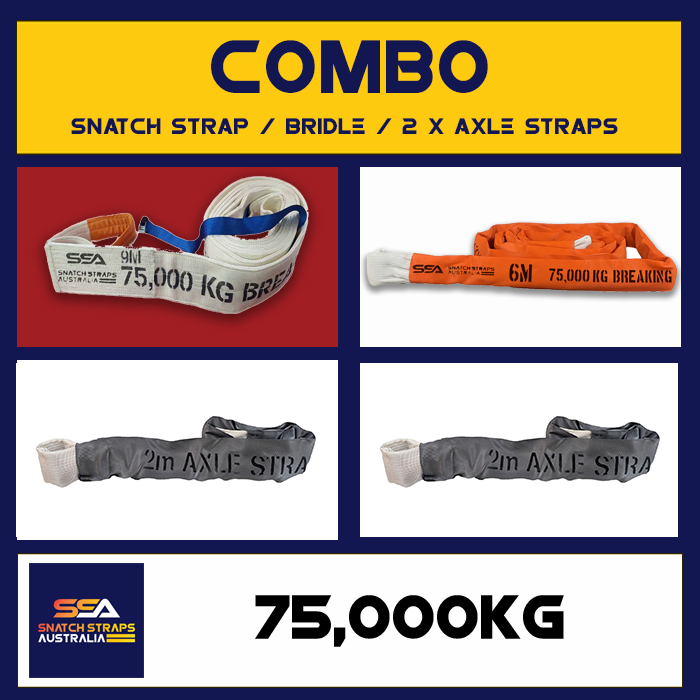
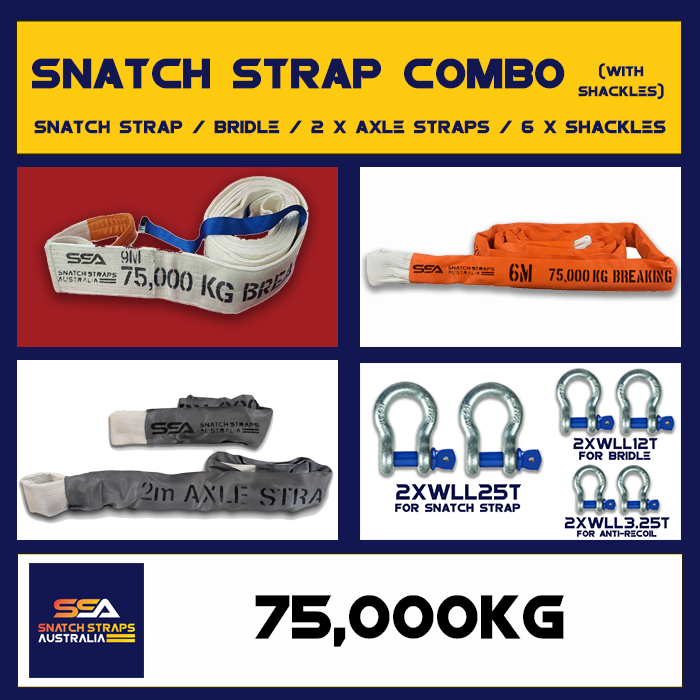
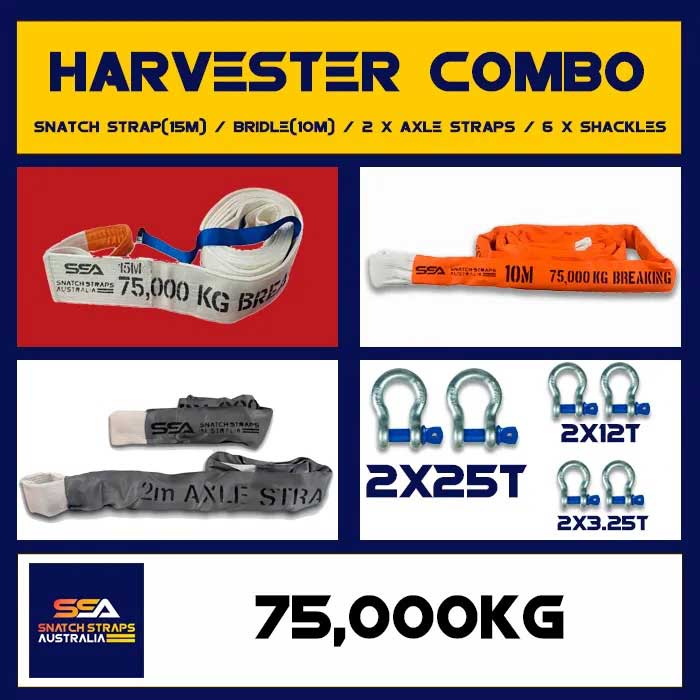
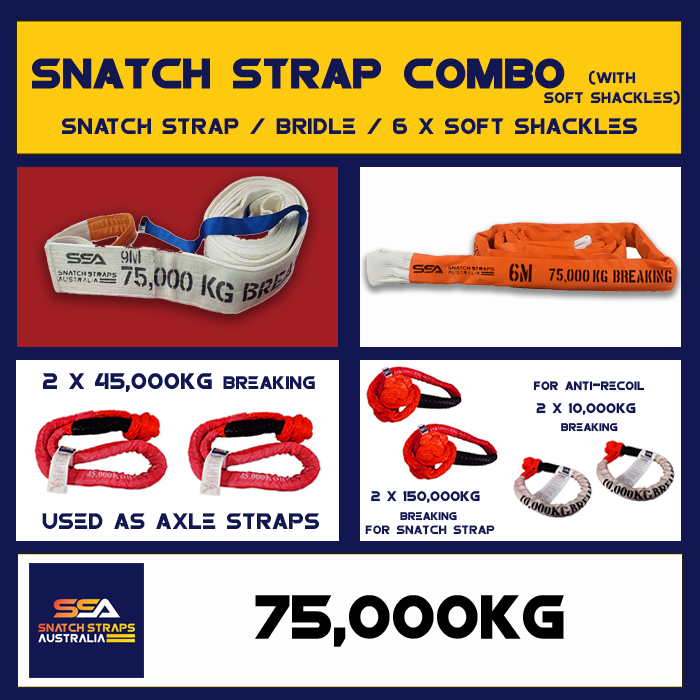
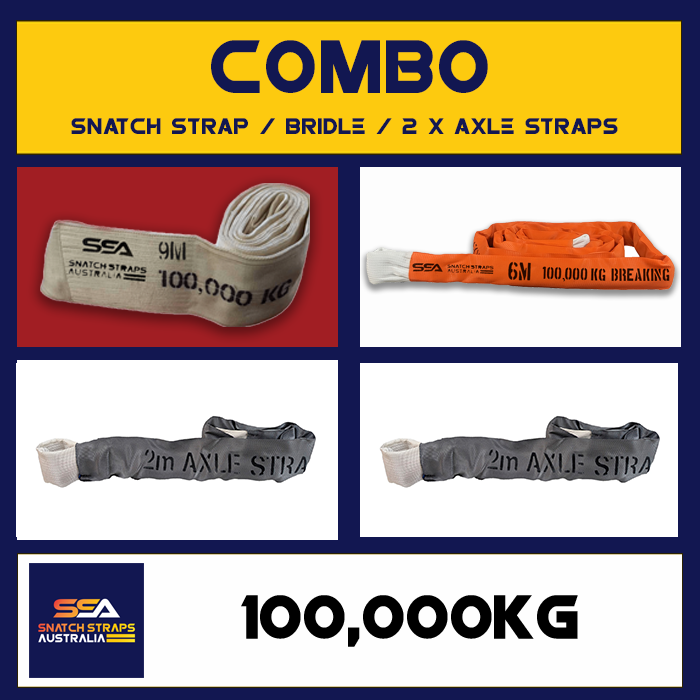
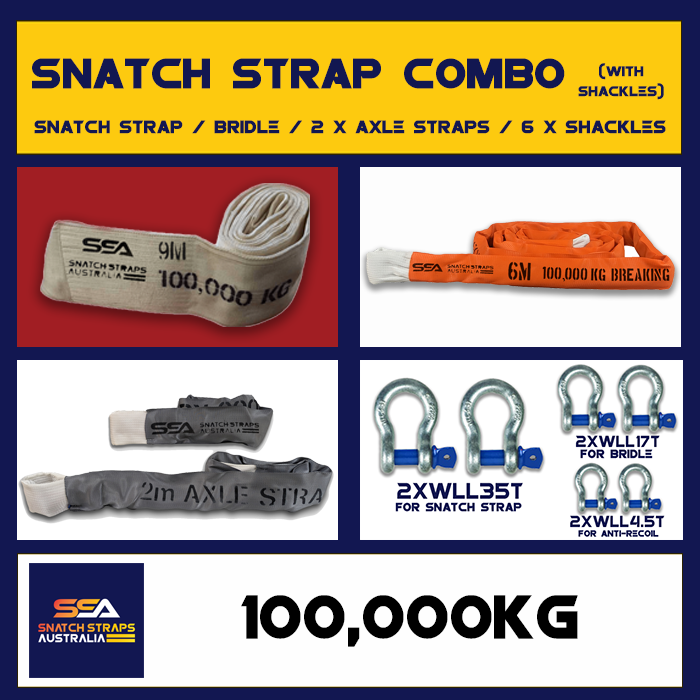
Snatch strap kits are essential recovery tools for off-road driving, adventures, and professional towing. Unlike rigid chains or cables, snatch straps are elastic recovery straps designed to use kinetic energy to safely extract bogged vehicles from mud, sand, or snow. The controlled stretch allows smooth force transfer between vehicles, reducing the risk of damage to chassis and anchor points.
Our snatch strap kits are engineered for Australian conditions. Whether you're crossing sandy dunes, working in rural areas, or exploring remote tracks, these kits provide dependable recovery performance for a wide range of vehicles.
What Makes a Snatch Strap Kit Essential
Snatch straps work by storing kinetic energy as the towing vehicle accelerates. This stored energy is then released gradually to pull the stuck vehicle free. The elasticity of the strap absorbs shock loads and prevents jerky movements during recovery. Compared to rigid tow options, this method is safer and more effective in dynamic off-road situations.
Snatch strap kits typically include a rated recovery strap and compatible shackles. Many also come with storage bags or protective sleeves to ensure easy handling and longer product lifespan.
How to Choose the Right Snatch Strap
Match the Strap to Your Vehicle's Weight
The most important factor is the Minimum Breaking Strength (MBS) of the strap. This should be approximately 2 to 3 times your vehicle’s Gross Vehicle Mass (GVM). For example, a 2,500kg would require a strap rated around 7,000kg to 9,000kg.
Consider Terrain and Usage
Casual drivers may only need an 8,000kg strap, while commercial fleets, mining vehicles, or tradespeople operating in harsh environments may need 11,000kg to 26,000kg straps for maximum safety and durability.
Look at Strap Length and Width
Longer straps allow for more distance and greater momentum, which can be useful in deep recoveries. Wider straps provide greater surface contact and can be more durable under load.
Safe Usage Practices for Snatch Straps
Always use snatch straps with rated recovery points, never tow balls or non-reinforced factory points. Pair with rated shackles—either steel or soft shackles—that can handle the same or higher load capacity. Clear the recovery area of bystanders and avoid sudden, high-speed pulls.
Before each use, inspect the strap for frays, cuts, UV damage, or chemical exposure. Store in a dry, cool location away from sunlight to extend the product’s life.
What's Included in Our Snatch Strap Kits
-
One or more elastic snatch straps with MBS ratings from 8,000kg to 26,000kg
-
Rated bow shackles or soft shackles for safe attachment
-
Heavy-duty storage bag for easy transport
-
Instructions and safety guidelines
All straps are manufactured with industrial-grade polyester webbing and reinforced stitched loops to handle extreme force and repeated use.
Common Mistakes and What to Avoid
-
Using a strap with an incorrect load rating
-
Attaching straps to tow balls
-
Overstretching or shock-loading the strap
-
Using old or damaged straps
-
Leaving straps wet or exposed to sun between uses
Proper training, correct technique, and compatible gear ensure a safer recovery experience.
Frequently Asked Questions
Can snatch straps be used for regular towing?
No. Snatch straps are designed for kinetic recovery, not continuous towing. For towing, use purpose-built tow straps or ropes.
How do I know if the strap is compatible with my vehicle?
Check your vehicle's GVM and choose a strap with 2–3 times the breaking strength. Match with rated shackles and ensure recovery points are properly installed.
How long do snatch straps last?
With correct use and storage, snatch straps can last several years. However, replace them immediately if frayed, cut, or degraded.