Your Essential Guide to 4WD Recovery Gear
Apr 10,2026
Your Essential Guide to 4WD Recovery Gear
Operating a 4WD vehicle opens up incredible opportunities for exploration and adventure, but it also carries the inherent risk of getting stuck. Imagine yourself miles from anywhere, facing soft sand, deep mud, or a challenging rock section. Without the right 4WD recovery gear, a thrilling trip can quickly turn into a frustrating, expensive, or even dangerous ordeal. Your ability to recover your vehicle safely and efficiently depends entirely on your preparation. This guide will walk you through the essential tools and techniques, helping you build a recovery kit that ensures you are prepared for whatever the trail throws your way. We will discuss specific gear, practical applications, and safety protocols, giving you the confidence to navigate challenging terrains.
Building Your Foundation: Essential 4WD Recovery Gear
When you prepare for off-road excursions, your recovery kit is as important as your tires or suspension. Investing in reliable 4WD recovery gear is not just about convenience, it is about safety and preventing greater damage. Think of it as an insurance policy for your vehicle and your peace of mind.
Winching Systems: Powering Your Escape
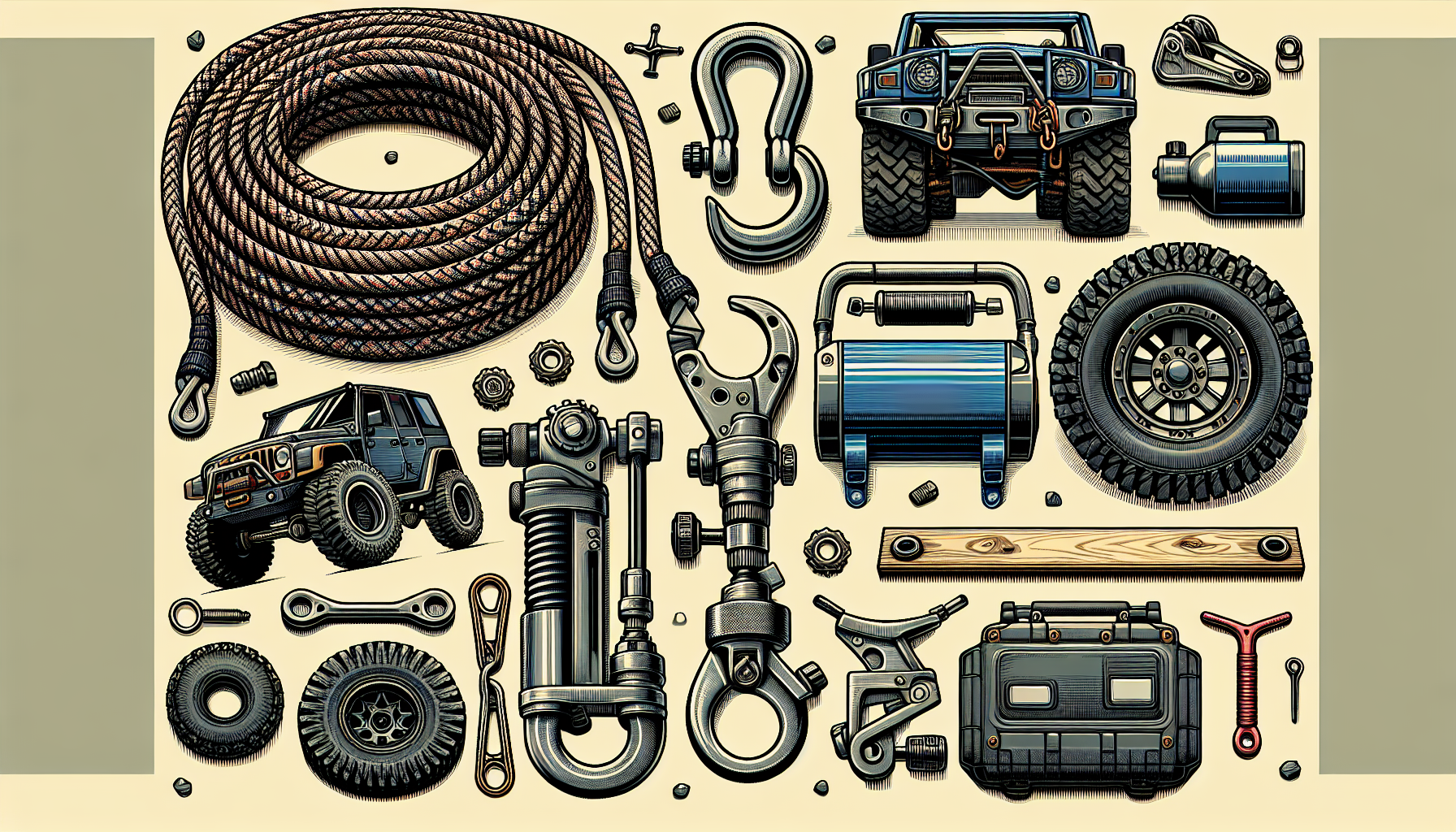
A winch is often the first piece of recovery equipment people consider, and for good reason. It provides immense pulling power to extract a stuck vehicle. Electric winches, like those from Warn or Smittybilt, typically range from $500 to $2,000 for a reputable 10,000 to 12,000 lb capacity unit. This capacity is generally suitable for most full-size 4WD vehicles. Key components of a winching system include:
- Winch: Available with steel cable or synthetic rope. Synthetic rope is lighter, stronger for its weight, and safer if it breaks, but it costs more, often adding $200-$500 to the price.
- Winch Controller: Most winches come with a wired controller, but wireless options are available for better vantage points during recovery.
- Tree Saver Strap: Essential for winching from a tree, this wide strap, usually 8-10 feet long and costing $30-$70, protects the tree bark and provides a secure anchor point.
- Snatch Block: This pulley system, priced around $50-$100, doubles your winch's pulling power and allows for angled pulls, reducing strain on the winch motor.
- D-Shackles/Soft Shackles: Used to connect straps, chains, or ropes to anchor points. Steel D-shackles are common, costing $10-$30 each, while soft shackles, which are lighter and safer, can run $40-$80 each.
Kinetic Energy Recovery: The Snatch Strap Method
Kinetic recovery straps, often called snatch straps, offer a dynamic way to recover a stuck vehicle when another vehicle is available. Unlike a static tow strap, a snatch strap stretches, absorbing kinetic energy as the recovery vehicle accelerates. This stored energy then helps pull the stuck vehicle free with a powerful, controlled jolt. A good quality 30-foot snatch strap, rated for 17,000-24,000 lbs, costs about $80-$150. Remember to use rated recovery points on both vehicles, never attach to a tow ball, which can become a dangerous projectile.
Traction Aids: Giving You Grip
Sometimes, all your vehicle needs is a little help finding traction. Recovery boards, such as those from Maxtrax or Tred, are invaluable for this. These highly visible, sturdy plastic boards provide a ramp and grip for tires stuck in sand, mud, or snow. A pair typically costs $150-$400, depending on the brand and design. You place them under the drive wheels, allowing the tire to grab and drive the vehicle out. They are quick to deploy and require minimal effort.
Practical Scenarios: Before and After Recovery
Understanding the theory of 4WD recovery gear is one thing, seeing its impact is another. Consider this scenario:
Before: Your client, Mark, is exploring a sandy track near a remote beach in his 2020 Jeep Gladiator, weighing about 5,000 lbs. He makes a slight navigational error, drives into a soft, dry wash, and his tires dig in immediately. The vehicle is high-centered, wheels spinning freely. Without proper 4WD recovery gear, Mark faces hours of digging, potential damage to his undercarriage from attempting to power out, and the growing concern of being stranded as the sun begins to set. A tow truck service could take hours to arrive in such a remote area, costing upwards of $500-$1000 for a specialized off-road recovery.
After: Mark prepared with a solid recovery kit. He has a 12,000 lb electric winch with synthetic rope, a tree saver strap, a snatch block, two soft shackles, and a set of recovery boards. He quickly assesses the situation. Realizing he is high-centered, he first attempts with the recovery boards. He wedges them under the front wheels, slowly applies throttle, and gains enough traction to move a few feet, but the vehicle sinks again. He then opts for the winch. He spots a sturdy tree about 80 feet ahead. Using his tree saver strap and a soft shackle, he connects his winch rope to the tree. He engages the winch, using his remote control from a safe distance, slowly and steadily pulling his Gladiator free. The entire process takes less than 30 minutes, saving him time, money, and stress. This demonstration highlights the critical value of having the right 4WD recovery gear at your disposal.
Safety First: Crucial Recovery Guidelines
Your safety and the safety of your passengers, along with avoiding damage to your vehicle, are paramount during any recovery operation. Always prioritize safety over speed. Here are some key guidelines:
- Assess the Situation: Before acting, take a moment to understand why you are stuck and the surrounding terrain. Plan your recovery carefully.
- Wear Protection: Always wear gloves to protect your hands, especially when handling winch cables or straps.
- Clear the Area: Ensure all bystanders are a safe distance away from cables, straps, and vehicles during recovery. A breaking strap or cable can be extremely dangerous.
- Inspect Your Gear: Before and after each use, inspect all your 4WD recovery gear for damage, fraying, or wear. Replace anything compromised.
- Use Rated Recovery Points: Always attach recovery equipment to factory-installed or aftermarket-rated recovery points on your vehicle. Never use suspension components, axles, or tow balls.
- Gentle Accelerate: If using a snatch strap, ensure the recovery vehicle applies power smoothly and gradually, avoiding sudden jerks that can overstress equipment.
- Post-Recovery Inspection: Once recovered, check your vehicle for any damage that may have occurred during the process before continuing your journey.
Supporting Your Off-Road Preparedness
This detailed look at 4WD recovery gear provides foundational knowledge for anyone venturing off-road. By understanding the tools and techniques discussed, you enhance your ability to operate safely and effectively. This content contributes to a broader understanding of off-road readiness, supporting related topics like vehicle modifications, navigation systems, and essential maintenance for prolonged trips.
Preparing your vehicle for challenging terrain extends beyond just recovery gear. It involves ensuring your entire setup is optimized for performance and reliability. If you are looking to enhance your vehicle’s capabilities, understand specific upgrade paths, or need guidance on equipping your fleet for demanding work, we can help. Our expertise in vehicle optimization and preparedness solutions helps clients like you make informed decisions, ensuring you have the right tools for every job, on or off the road. Contact us today to discuss your specific needs and how we can support your adventures or operational requirements.
Comment