Choosing Your 4WD Lift Kit: Expert Guide & Real Impact
Apr 13,2026
Choosing Your 4WD Lift Kit: A Comprehensive Guide
You own a 4WD vehicle and want to enhance its off-road capability or simply achieve a more aggressive stance. The market offers a vast array of options, making choosing your 4WD lift kit a daunting task for many owners. Making the wrong selection can lead to issues ranging from poor ride quality and accelerated component wear to safety concerns. Our position is clear, a well-informed decision protects your investment and delivers the performance you expect. This choice impacts not just your vehicle's aesthetics, but also its handling, safety, and long-term reliability. Understanding the nuances of different lift systems, their benefits, and their potential drawbacks is crucial for any serious 4WD enthusiast or business owner looking to optimize a fleet. We will guide you through the essential considerations to ensure you select a lift kit that aligns with your specific needs and driving intentions, providing both functionality and peace of mind.
Understanding 4WD Lift Kit Types and Their Purpose
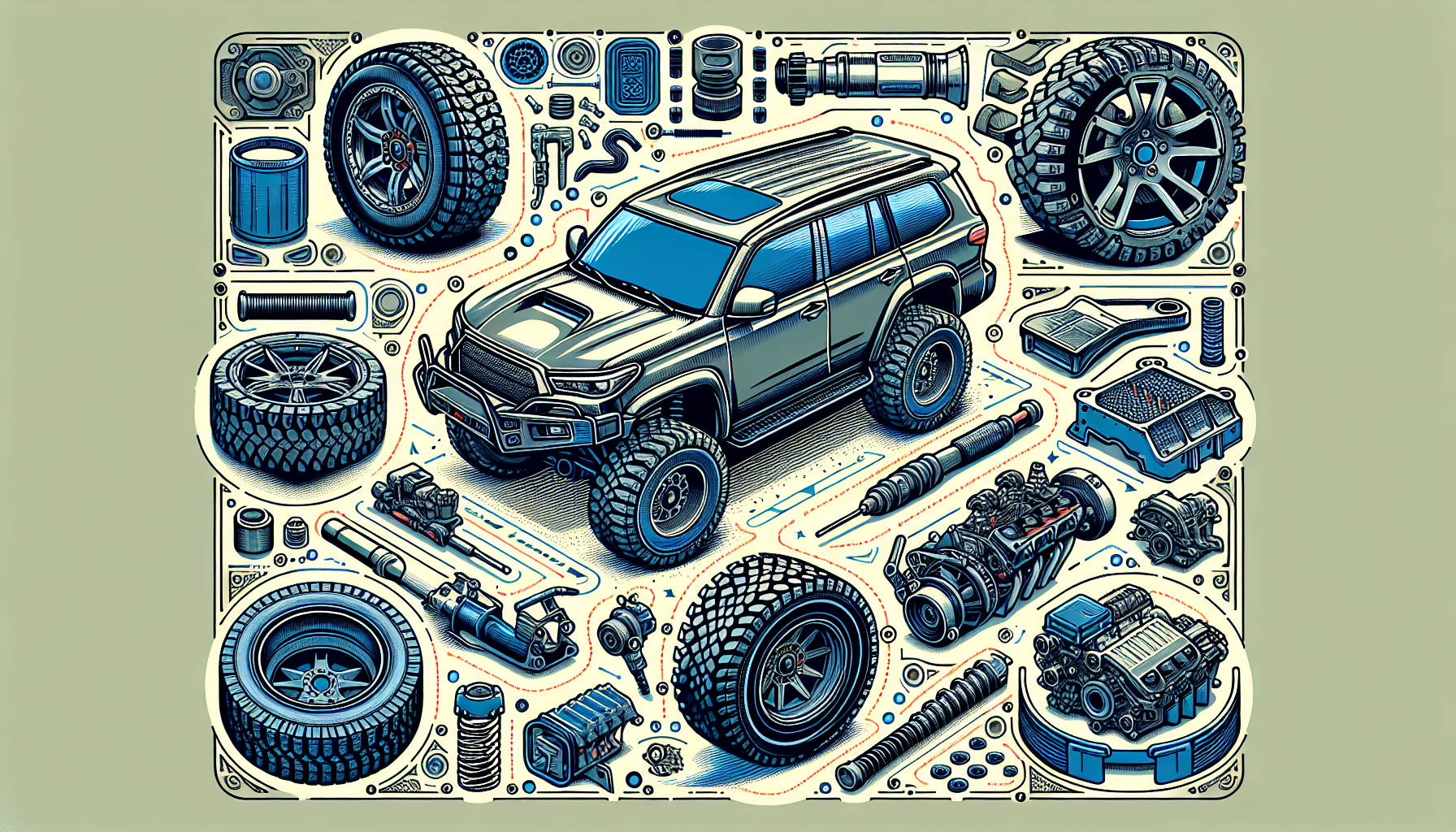
When you start researching lift kits, you encounter various types, each designed for a specific purpose and offering distinct advantages. The two primary categories you will consider are suspension lifts and body lifts. Suspension lifts replace or modify your vehicle's suspension components, such as coil springs, leaf springs, shock absorbers, and control arms. These kits typically offer a significant increase in ground clearance and suspension articulation, which is vital for serious off-roading. A common suspension lift might use new coil springs and longer shocks to raise the vehicle by 2 to 6 inches, costing anywhere from $500 for basic kits to over $4,000 for advanced systems with remote reservoir shocks and adjustable control arms. A complete high-performance kit for a popular truck like a Ford F-150 can easily reach $2,500 for parts alone, excluding installation. For instance, a 3-inch suspension lift provides more room for larger tires and improves obstacle clearance directly under the differentials and frame.
Body lifts, by contrast, raise the vehicle's body from its frame using spacers. These kits do not change the suspension geometry or ground clearance under the axles. Their main benefit is allowing for larger tires by creating more space between the body and the wheels, without altering the ride quality. Body lifts are generally less expensive, often ranging from $150 to $500. They typically provide a modest lift, usually between 1 to 3 inches. For example, a 1.5-inch body lift on a Jeep Wrangler provides just enough extra fender clearance to accommodate tires one size larger without needing suspension modifications. You might also encounter leveling kits, which primarily raise the front of the vehicle to match the factory rake, often around 1 to 2.5 inches, primarily for aesthetics and to clear slightly larger tires in the front. These usually cost $100 to $400.
Factors to Consider When Choosing Your 4WD Lift Kit
Making an informed decision about choosing your 4WD lift kit requires you to evaluate several key factors. First, consider your intended use. If you primarily drive on paved roads with occasional light trails, a modest leveling kit or a 2-inch suspension lift might suffice. However, if you plan on tackling challenging rock crawling or mudding, a more robust 4-inch or 6-inch suspension lift with upgraded components, such as heavy-duty control arms and longer-travel shocks, becomes essential. Each driving scenario demands specific capabilities from your suspension system.
Your budget plays a significant role. Basic lift kits can start at a few hundred dollars, while high-performance long-travel systems can exceed $5,000 for parts alone. Remember to account for installation costs, which can range from $400 to $1,500, depending on the kit's complexity and your chosen shop. Also, factor in potential additional expenses, such as larger tires, new wheels, realignment, and possibly drive shaft modifications for taller lifts. For example, a 4-inch lift on a full-size pickup often necessitates new brake lines and extended driveshafts, adding hundreds or even thousands to the total project cost.
Finally, component quality and brand reputation matter. Investing in a reputable brand ensures that your lift kit components are engineered to withstand the rigors of off-road driving and provide reliable performance. Look for kits that use high-quality materials, such as forged steel or durable polyurethane bushings. Reviews and warranties offer valuable insights into a product's longevity and manufacturer support. You will find brands like Old Man Emu, BDS Suspension, and ICON Vehicle Dynamics consistently receive high ratings for durability and performance, often backed by solid warranties, sometimes five years or even lifetime on certain components.
The Real-World Impact: Before and After a 4WD Lift Kit Installation
Visualizing the impact of a lift kit helps you understand its practical benefits. Consider a stock 2018 Toyota Tacoma TRD Off-Road, which typically measures about 9.4 inches of ground clearance and comes with 31-inch tires. This setup provides decent capability for moderate trails, but its undercarriage can frequently scrape over larger rocks or deep ruts.
Now, imagine that same Tacoma after installing a 2.5-inch suspension lift kit. This common upgrade involves new front coil-overs and rear shocks, often costing between $1,500 and $3,000 for parts and professional installation. With this lift, you can now comfortably fit 33-inch all-terrain tires. The ground clearance increases to approximately 11.9 inches under the frame, a noticeable 2.5-inch improvement. This additional clearance allows you to navigate obstacles that previously seemed impassable, preventing costly damage to your skid plates or differential housings. For instance, on a rocky trail where a stock Tacoma might get hung up on a 10-inch boulder, the lifted version clears it with ease. The truck's approach and departure angles also improve, meaning you can climb steeper inclines and descend without scraping the bumpers. Beyond the functional gains, the lifted Tacoma stands taller and more aggressive, transforming its road presence and signaling its enhanced off-road readiness. This tangible increase in capability and confidence illustrates why choosing your 4WD lift kit carefully truly matters.
Supporting Your Off-Road Keyword Cluster
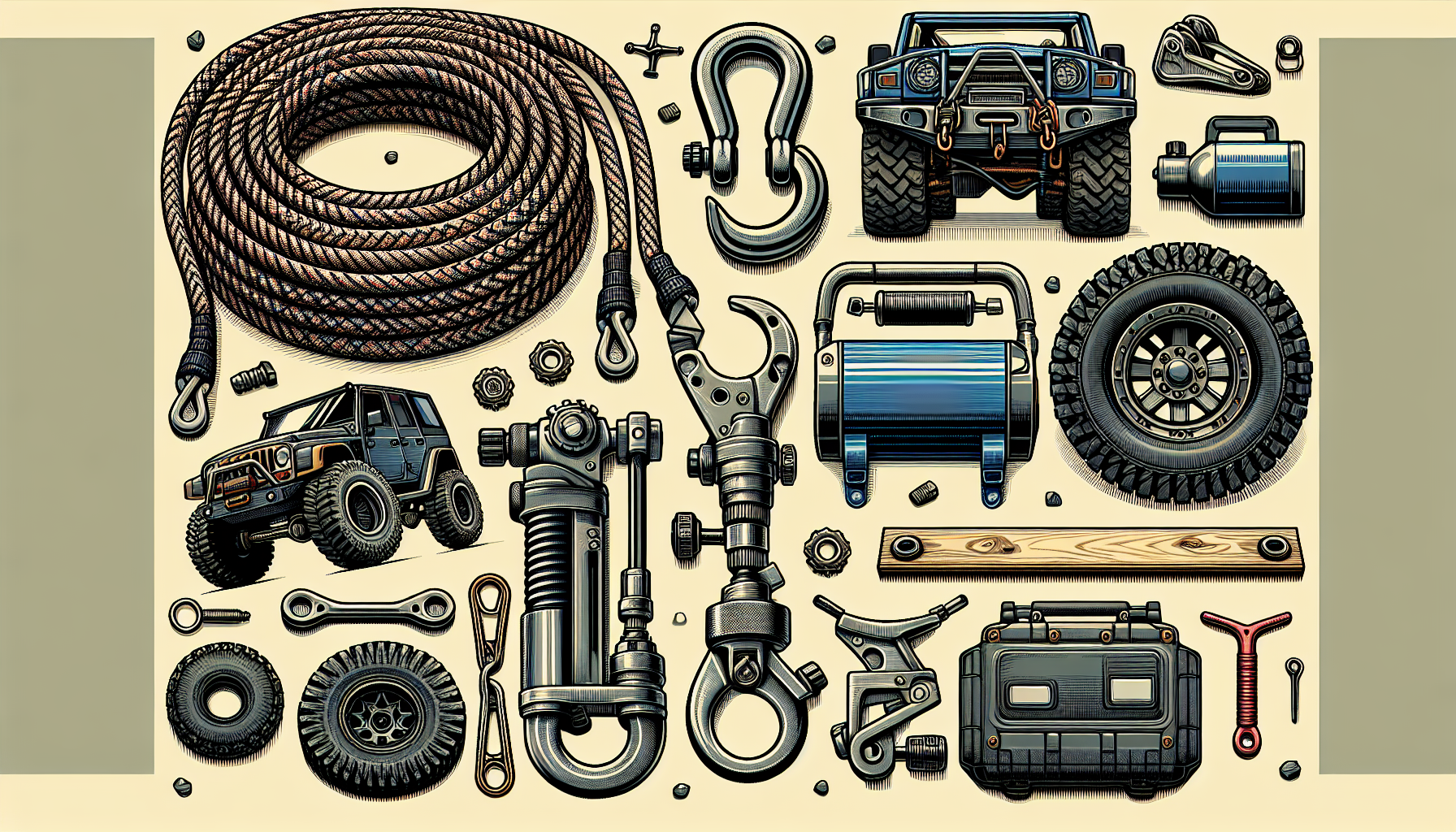
This detailed guide on choosing your 4WD lift kit serves as a foundational piece of content for your website's broader off-road and vehicle modification topic cluster. By providing comprehensive information on lift kit types, selection criteria, costs, and real-world impacts, this article establishes your authority in this niche. It naturally links to related topics such as tire selection for off-roading, suspension upgrades, and vehicle recovery gear, allowing readers to dive deeper into enhancing their 4WD experience. This approach helps search engines recognize your site as a valuable resource for off-road enthusiasts and prospective buyers.
Considering a lift kit or other upgrades for your 4WD? Explore our comprehensive range of services and products designed to enhance your vehicle's performance and aesthetics. Contact us today to discuss your specific needs and let our experts guide you through the best solutions for your adventures.
Comment