Essential 4WD Recovery Gear: Stay Unstuck and Safe Off-Road
Apr 13,2026
Mastering Off-Road Challenges with Essential 4WD Recovery Gear
Navigating challenging terrain in your 4WD vehicle offers unparalleled adventure and utility. However, even the most experienced drivers encounter situations where their vehicle becomes stuck. This problem often results in significant delays, potential damage to your vehicle, and even safety risks. Our position is clear, proper 4WD recovery gear is not an accessory, it is a fundamental safety and operational requirement for anyone venturing off the paved path. Understanding and investing in the right equipment ensures you maintain control, minimize downtime, and protect your assets. This proactive approach saves you money and stress in the long run, allowing you to focus on the journey ahead, not the unexpected obstacles.
Ignoring the necessity of reliable 4WD recovery gear is a risk you cannot afford. Without the right tools, a simple bog can escalate into an hours-long ordeal, potentially requiring expensive professional assistance. A basic recovery kit, often costing between $200 and $500, can prevent towing bills that frequently range from $300 to $1,000, depending on your location and the complexity of the recovery. Furthermore, personal recovery empowers you to maintain your schedule and uphold your commitments, avoiding disruptions caused by unforeseen immobilizations. Equipping your vehicle with appropriate 4WD recovery gear is a smart investment in preparedness and operational efficiency.
Understanding the Core: What is 4WD Recovery Gear?
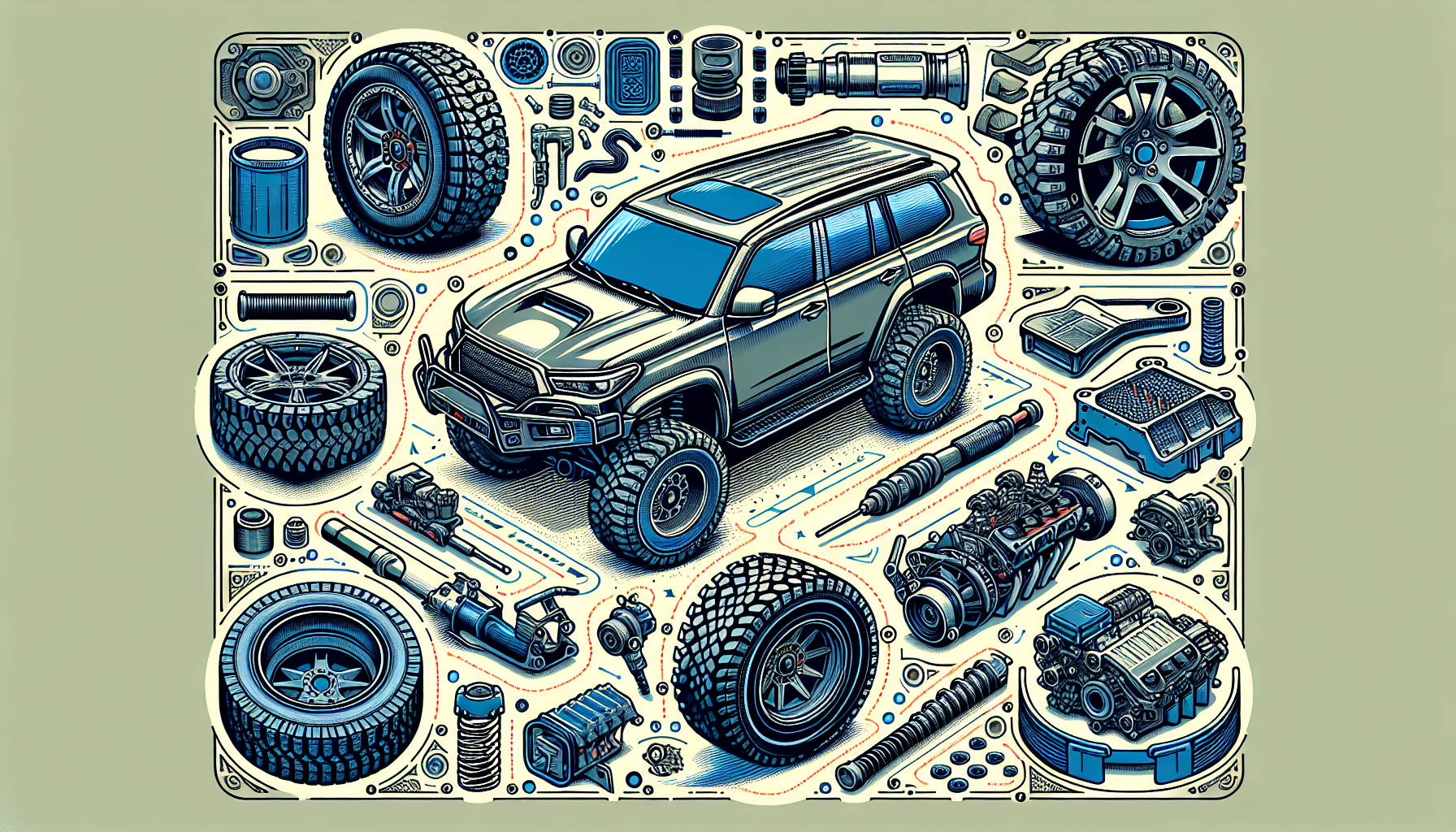
4WD recovery gear encompasses a range of specialized tools and equipment designed to extract an immobilized four-wheel-drive vehicle from challenging situations. These situations might include being stuck in mud, sand, snow, or even precarious angles on rocky trails. The primary goal of this gear is to provide mechanical advantage, traction, or lifting capability to safely move the vehicle. From simple shovels to complex winching systems, each piece of equipment serves a specific function in a recovery scenario.
For example, a kinetic snatch strap uses elastic energy to pull a stuck vehicle free, while a high-lift jack can lift a wheel out of a deep rut. Air compressors allow you to reinflate tires after reducing pressure for increased traction. These tools collectively form a comprehensive strategy for self-recovery or assisted recovery, significantly reducing the reliance on external help. Properly understanding how each component of your 4WD recovery gear functions is crucial for effective and safe operation in the field.
Essential 4WD Recovery Gear for Every Off-Roader
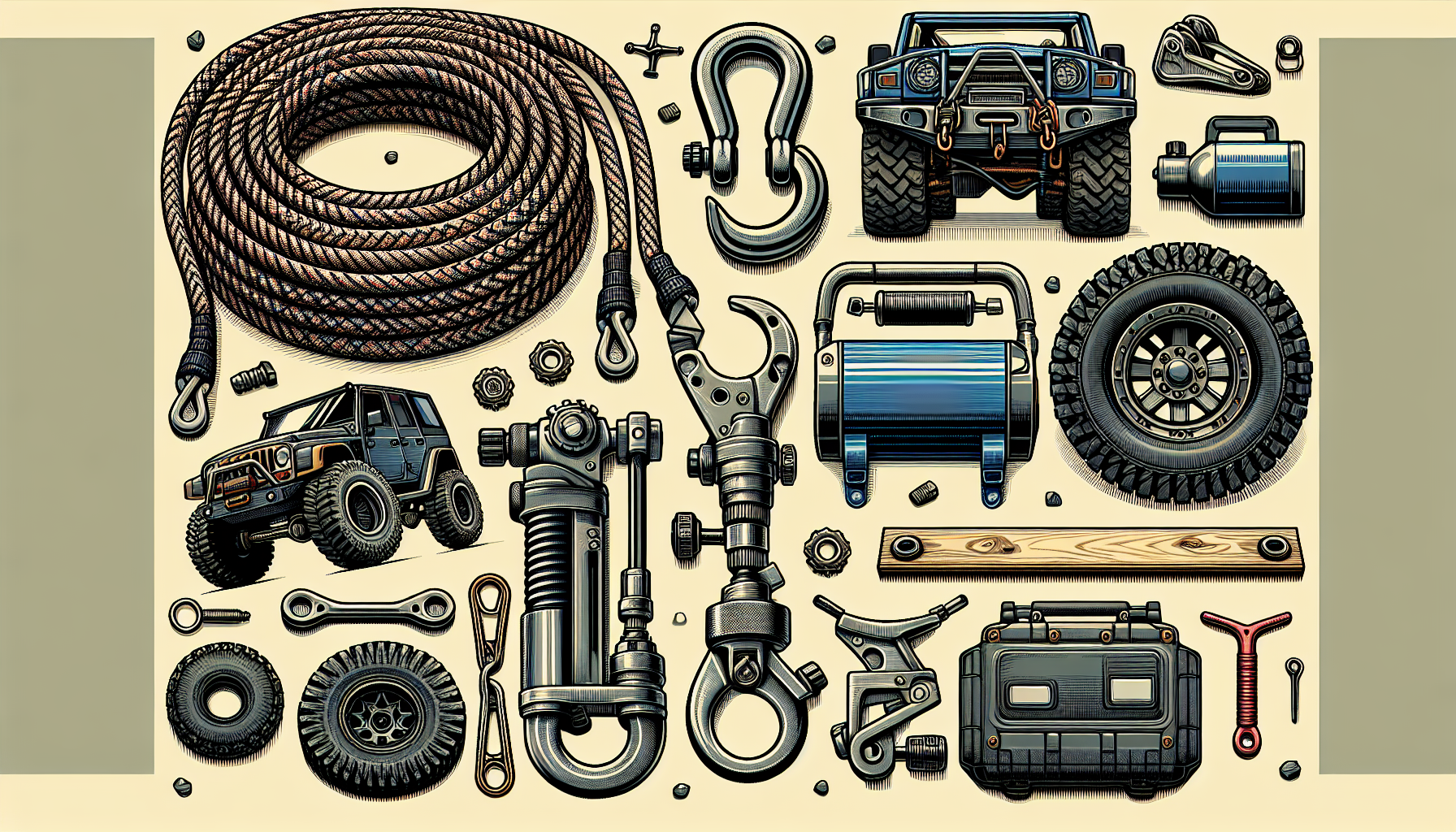
Having the right 4WD recovery gear on hand is not just about convenience, it is about preparedness and safety. Here are the core items you should consider for your vehicle, along with practical insights:
Kinetic Recovery Straps and Snatch Blocks: A kinetic recovery strap, often 20 to 30 feet long with a breaking strength of 17,500 to 30,000 pounds, is indispensable for dynamic recoveries. It stretches, storing kinetic energy, then recoils to gently pull a stuck vehicle. A good quality snatch strap typically costs between $100 and $250. Snatch blocks, priced around $50 to $150, effectively double the pulling power of a winch or change the direction of a pull, which proves invaluable in complex recovery angles.
Winch and Winch Accessories: A robust electric winch, mounted to your vehicle's front or rear, offers consistent pulling power for severe stuck situations. Winches range significantly in price, from $500 for entry-level models to over $2,500 for heavy-duty, synthetic rope versions. Complementary accessories include recovery dampers, tree trunk protectors, and heavy-duty shackles, each costing $20 to $100, ensuring safe anchor points and controlled operations.
Recovery Tracks: Traction aids, like recovery tracks or sand ladders, provide a stable surface for your tires to gain purchase when stuck in soft terrain. Popular brands offer sets for $200 to $400. You simply wedge them under your tires, reducing reliance on a second vehicle or winch in less severe situations.
Air Compressor and Tire Repair Kit: Adjusting tire pressure is a common strategy for increasing traction off-road. A quality portable air compressor, costing $150 to $400, quickly reinflates tires after you navigate through soft sand or mud. A tire repair kit, usually under $50, allows for quick fixes of punctures in remote locations, preventing further delays.
Shovel and Axe: Sometimes, the simplest tools are the most effective. A sturdy shovel, priced around $30 to $80, helps clear debris, dig out around tires, or create ramps. An axe, costing $40 to $100, assists in clearing fallen branches or preparing timber for recovery points.
High-Lift Jack: This versatile tool, typically priced from $100 to $300, can lift a vehicle from deep ruts, assist in tire changes on uneven ground, or even be used as a hand-operated winch for short pulls. It is a multi-functional piece of 4WD recovery gear that proves its worth in various scenarios.
A Practical Example, Before and After Impact
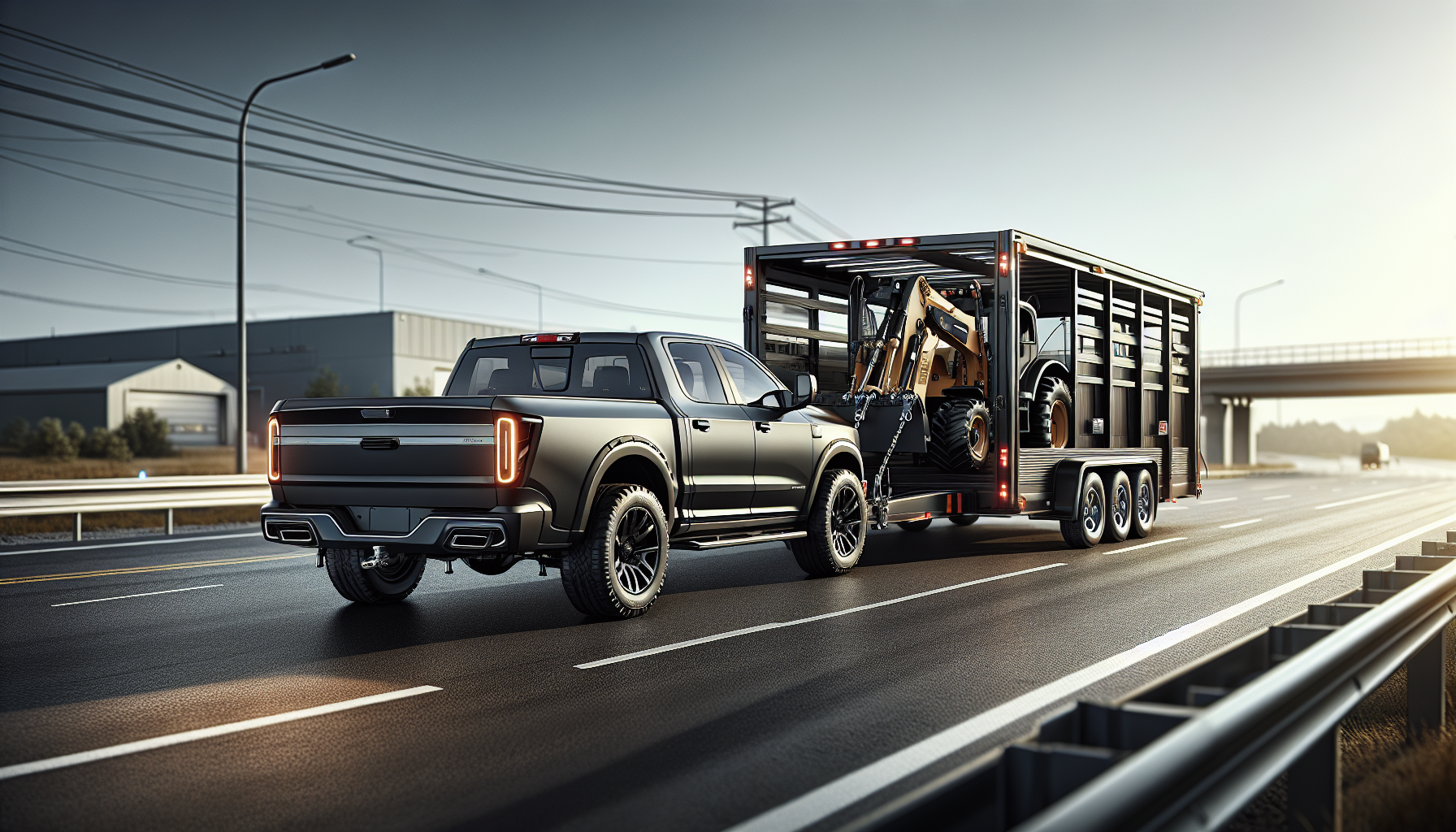
Consider a scenario where your team is on a remote worksite, and your company 4WD gets bogged down in a muddy track. This happens often on construction sites or during environmental surveys.
Before Recovery Gear Investment: Your vehicle becomes stuck. Your team has no recovery equipment on board. You must call a professional towing service, which takes three hours to arrive due to the remote location. The towing service charges $650, and your three-person team loses three hours of productive work, costing an additional $450 in wages. The project faces delays, potentially incurring penalties or reputational damage for missed deadlines. Total direct cost, $1,100, plus indirect costs of delays.
After Recovery Gear Investment: You invested $850 in a comprehensive 4WD recovery gear kit, including a kinetic strap, recovery tracks, a shovel, and an air compressor. When the vehicle gets stuck, your trained team quickly assesses the situation. They deploy the recovery tracks, shovel out some mud, and use the kinetic strap with a second vehicle to gently pull the bogged vehicle free. The entire process takes 45 minutes. There is no cost for external towing, and the minimal downtime means your team quickly resumes work, keeping the project on schedule. The initial investment has now paid for itself by avoiding a single incident's direct costs and maintaining operational continuity.
Prioritizing Safety and Training with Your 4WD Recovery Gear
Owning 4WD recovery gear is only half the equation, knowing how to use it safely and effectively completes the picture. Improper use of recovery equipment can lead to severe injuries, vehicle damage, or even fatalities. Always prioritize formal training from certified instructors. Many organizations offer one-day or weekend courses focused specifically on safe vehicle recovery techniques, often costing between $250 and $500 per person.
Regularly inspect your recovery gear for wear and tear. Kinetic straps, shackles, and winch lines can degrade over time, reducing their strength and increasing the risk of failure during a recovery. Store your equipment properly, away from direct sunlight and moisture, to extend its lifespan. By investing in training and consistent maintenance, you ensure that when the time comes, your 4WD recovery gear is ready for safe and successful operation.
Maximizing Your Investment: Choosing Quality 4WD Recovery Gear
When selecting 4WD recovery gear, prioritize quality and reliability over the lowest price. Cheap, substandard equipment can fail under stress, creating dangerous situations and potentially causing more damage. Look for products from reputable brands known for their durability and adherence to safety standards. Research reviews and seek recommendations from experienced off-road enthusiasts.
For instance, when choosing a winch, compare features like line type, motor, and gear train. Synthetic winch ropes, while more expensive than steel cable, are lighter, safer, and easier to handle. Investing in gear made from high-grade materials, such as forged steel shackles or heavy-duty nylon straps, ensures that your equipment will withstand the rigors of repeated use in harsh environments. A higher upfront cost for quality 4WD recovery gear translates into greater safety and peace of mind over years of use.
Supporting Your Off-Road Preparedness Journey
This comprehensive guide to 4WD recovery gear provides foundational knowledge for anyone operating a 4WD vehicle in challenging conditions. The information presented here, from essential equipment to safety practices, directly supports a broader understanding of vehicle preparedness and risk management. This topic forms a crucial part of ensuring operational efficiency and safety in remote or difficult environments, resonating with our mission to provide practical solutions for complex challenges.
Are you looking to enhance your vehicle's capability or optimize your fleet's preparedness for demanding operations? Explore our range of services designed to help you navigate your unique challenges effectively. Learn more on our website.
Comment