Mastering Safe Towing: Essential Gear & Techniques
May 05,2026
The Art and Science of Safe Towing: Protecting Your Assets
Every business that operates vehicles, from light-duty trucks to heavy machinery, faces the reality of needing to move stranded or disabled equipment. This crucial task, often referred to as towing, is more than simply hooking up a chain and pulling. Improper towing practices can lead to severe equipment damage, costly operational delays, and even serious safety hazards for your team. You cannot afford to risk your valuable assets or the well-being of your employees due to overlooked details or inadequate equipment.
As experts in robust recovery gear, we recognize the critical importance of executing every towing operation safely and efficiently. We have seen firsthand the consequences when businesses underestimate the power and precision required. Our goal is to provide you with practical, actionable strategies and insights, ensuring your towing operations are not just successful, but also secure. By understanding the science and art behind proper towing, you protect your investments, maintain productivity, and prioritize the safety of everyone involved. This comprehensive guide will equip you with the knowledge to handle various towing scenarios with confidence and competence.
Understanding Your Towing Needs: Capacity and Equipment
The foundation of any successful towing operation rests on accurately assessing your needs and selecting the right equipment. You must understand the weight of the vehicle or load you plan to tow, including its potential stuck resistance. Many businesses make the mistake of underestimating this critical factor, which often leads to equipment failure, delays, and potential accidents. For instance, a light commercial van might weigh 2,500 kg, but if it is stuck in mud, the force required to recover it could be significantly higher, perhaps upwards of 7,000 kg due to suction and resistance. Using a strap rated for only 4,000 kg in this situation will almost certainly result in the strap snapping, potentially causing injury or damage.
We recommend always over-speccing your recovery gear by at least 20-30% of the maximum anticipated pull force. If you expect a 7,000 kg pull, choose a strap rated for 9,000 kg or even 12,000 kg. This provides a crucial safety margin. High-quality snatch straps, designed for kinetic recovery, offer elasticity to store and release energy, making them highly effective for freeing stuck vehicles. Similarly, a well-chosen recovery bridle distributes the load evenly across multiple recovery points on your vehicle, preventing damage to chassis or frame. Think about a medium-duty truck, which might weigh 8,000 kg. A 60-tonne snatch strap is not an overkill, it is a safety measure. The initial jolt during recovery can create forces two to three times the vehicle's static weight. Therefore, proper capacity matching is not just a recommendation, it is an operational imperative to ensure safety and equipment longevity.
Essential Gear for Effective and Safe Towing
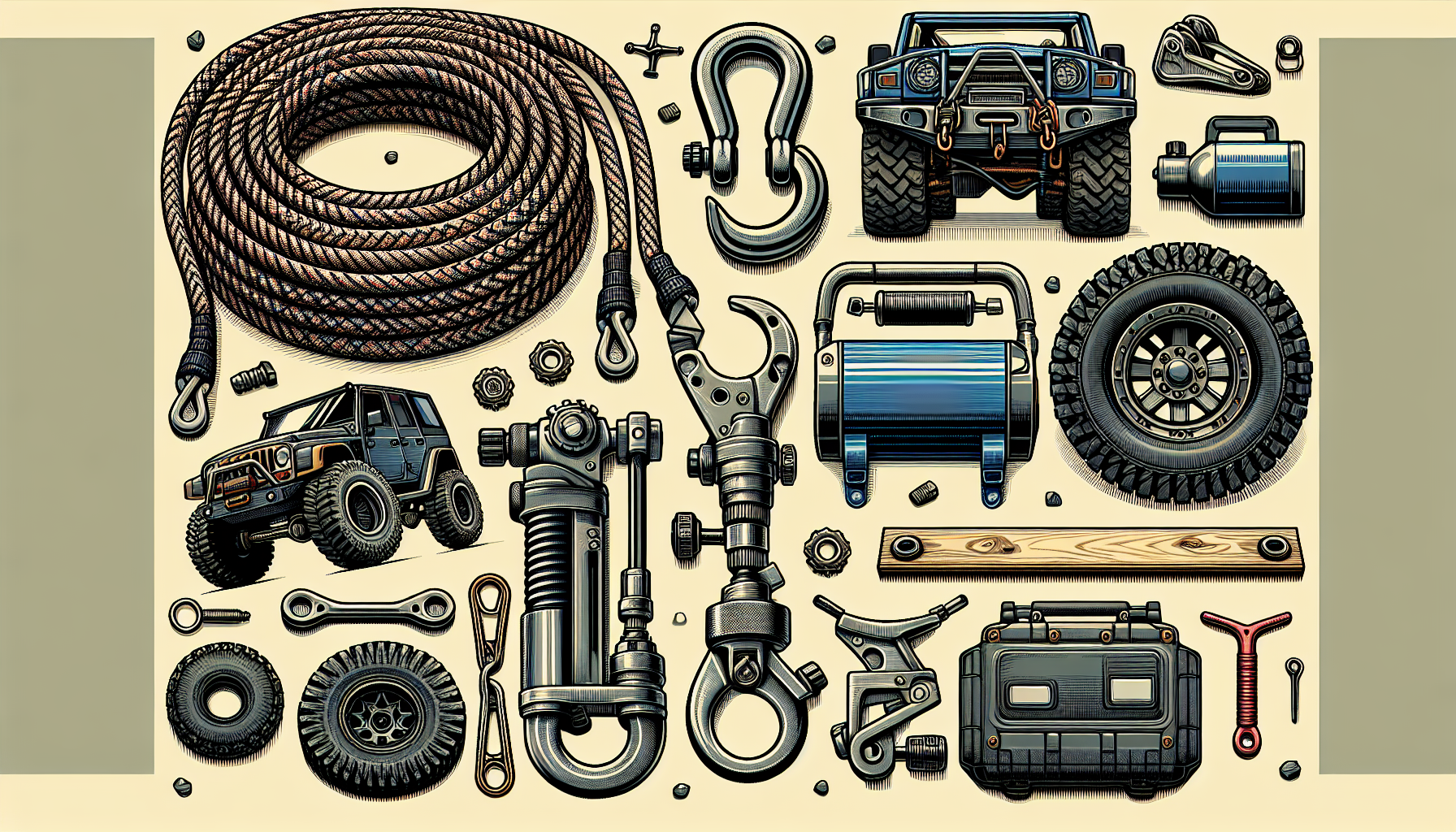
Beyond simply knowing the weight, you must equip your team with the correct tools for safe towing. Relying on makeshift solutions or substandard gear invites disaster. Here are the core components you need, along with why they are indispensable:
- Snatch Straps: These are dynamic recovery straps designed to stretch and then powerfully recoil, pulling a vehicle free. For instance, a 16-tonne snatch strap might cost around $120-$180, while a heavy-duty 75-tonne option could range from $350-$550. Their elasticity is key, reducing shock loads on both vehicles.
- Shackles: You use shackles to connect straps and bridles securely to recovery points. D-shackles or bow shackles, made from high-strength steel, are crucial. A quality 17-tonne shackle typically costs $25-$40, while a robust 35-tonne shackle can be $60-$90. Always ensure your shackles match or exceed the breaking strength of your recovery strap. For example, using a 35-tonne shackle with a 75-tonne snatch strap ensures secure attachment.
- Recovery Bridles: These Y-shaped straps distribute the recovery load across two vehicle recovery points, minimizing stress on any single point and preventing damage to the vehicle's chassis or bumper. A 32-tonne recovery bridle might be $150-$250, and a 60-tonne version could be $280-$450.
- Dampeners or Blankets: These items drape over the recovery strap. If a strap breaks, the dampener helps absorb and direct the energy downwards, reducing the risk of a dangerous projectile. Prices are usually $30-$60.
Investing in certified, high-quality gear is not an expense, it is an essential safety investment that protects your personnel and your valuable equipment.
Implementing Safe Towing Techniques: A Practical Guide
Even with the best equipment, improper technique can render it useless or dangerous. Safe towing is a systematic process requiring discipline and clear communication.
Here is a practical guide:
- Assess the Situation: Evaluate the terrain, the stuck vehicle's position, and the recovery points. Identify potential hazards like soft ground, slopes, or obstacles.
- Select Recovery Points: Use only rated recovery points on both the stuck and recovery vehicles. Do not use tow balls or tie-down points, they are not designed for recovery forces.
- Connect the Gear: Attach the bridle to the stuck vehicle's recovery points, then connect the snatch strap to the bridle using appropriate shackles. Attach the other end of the snatch strap to the recovery vehicle's rated recovery point. Ensure all connections are secure. Place a dampener over the middle of the snatch strap.
- Clear the Area: Ensure all personnel are well clear of the recovery area, ideally at least 1.5 times the length of the strap.
- Execute the Recovery: The recovery vehicle slowly takes up slack, then accelerates smoothly to generate kinetic energy in the snatch strap. The goal is a controlled, gradual pull, not a sudden jerk.
- Inspect and Repeat if Necessary: After a pull, inspect all gear for damage. If the vehicle is still stuck, reassess and repeat the process, making adjustments as needed.
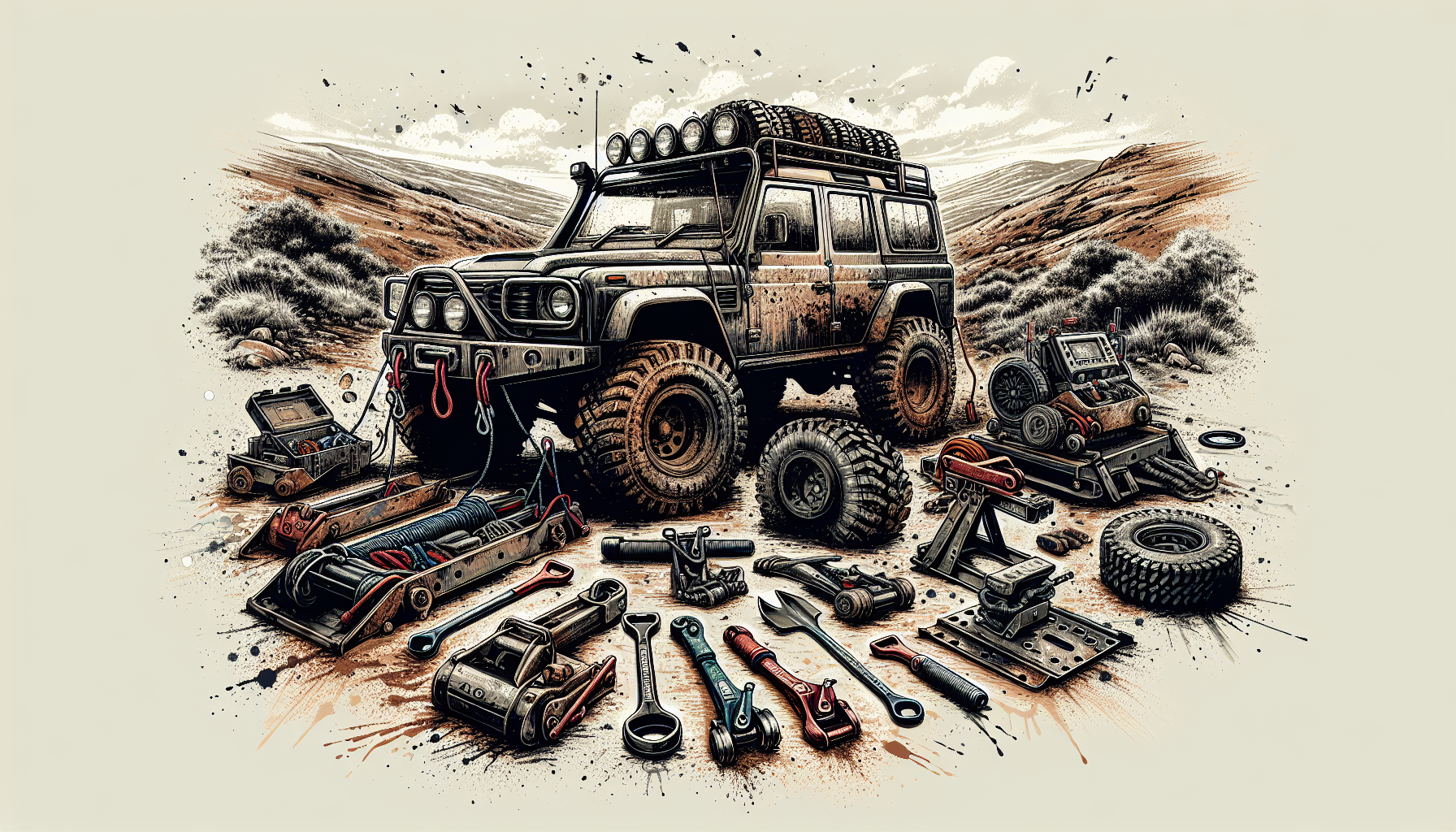
Consider a scenario: A delivery truck, weighing 7,000 kg, is stuck axle-deep in soft mud at a construction site.
Before: The driver attempted to self-recover using standard tow hooks and a chain. The chain snapped, damaging the truck's bumper and leaving the vehicle still stuck, costing two hours in downtime and requiring a professional tow service at $400. This created a safety risk for the driver and caused significant operational delay.
After: Equipped with a 75-tonne snatch strap, a 60-tonne recovery bridle, and 35-tonne shackles, the team followed proper procedures. They connected the bridle to the truck's chassis recovery points, attached the snatch strap and a dampener, cleared the area, and used a 15,000 kg recovery vehicle. With a controlled, smooth pull, the truck was free in under 15 minutes. The cost was minimal, limited to the initial investment in gear, and the operational delay was negligible. This clear example demonstrates that following safe towing protocols with the right equipment saves time, money, and prevents damage.
This detailed exploration of safe towing practices reinforces our commitment to providing comprehensive solutions for vehicle recovery and operation. By offering in-depth knowledge on gear selection, capacity matching, and execution techniques, we build out the essential foundation for understanding the broader spectrum of recovery challenges. This information supports your operational readiness and ensures you make informed decisions, directly contributing to your ability to manage complex recovery scenarios effectively. You can learn more about our full range of solutions at Snatch Straps.
Mastering safe towing is an ongoing process of learning and equipping your team properly. By applying these principles and utilizing high-quality, reliable recovery gear, you can significantly enhance your operational safety and efficiency. To explore a comprehensive range of professional-grade snatch straps, recovery bridles, shackles, and complete recovery bundles designed to meet the rigorous demands of your business, visit SnatchStraps1 today. Equip your team with the confidence and tools for any recovery challenge.
Comment