Mastering Towing: Essential Gear & Techniques for Safety
Mar 25,2026
Mastering Safe Towing: Essential Gear and Techniques
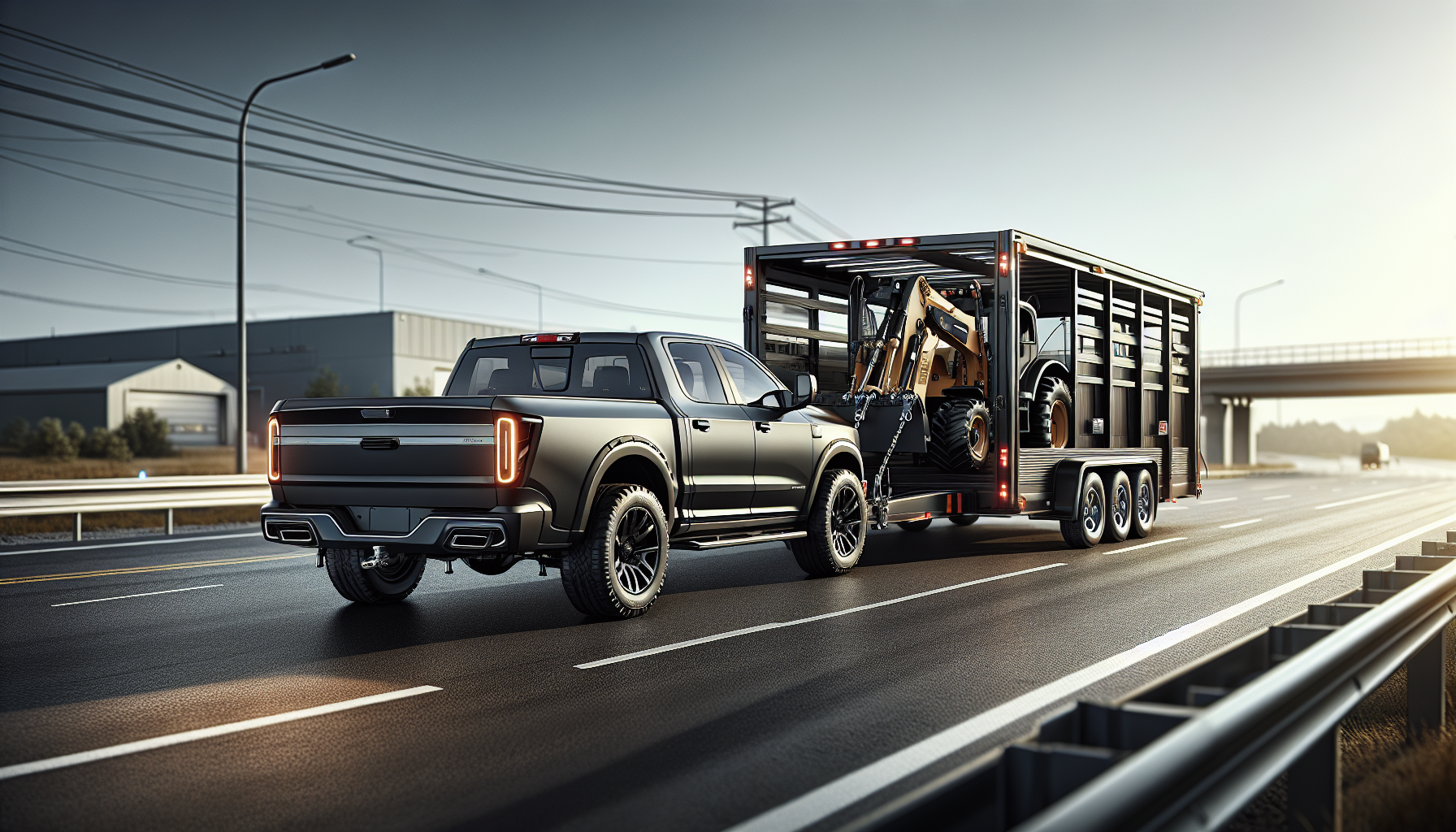
Many drivers routinely underestimate the complexities and potential hazards involved with proper towing. Whether you are hauling a trailer for work, recovering a bogged vehicle off-road, or simply assisting a friend, approaching any towing situation without the correct knowledge and equipment can lead to significant problems. You risk damage to your vehicles, injury to yourself or others, and costly repairs that could have been easily avoided. We understand the critical importance of preparedness and precision when it comes to any form of vehicle recovery or towing, especially in challenging environments. This is not just about moving something from point A to point B; it is about ensuring safety, maintaining vehicle integrity, and executing the operation efficiently. Getting it right protects your investment and ensures peace of mind, preventing issues that could set you back hundreds, if not thousands, of dollars in repairs or roadside assistance fees.
Understanding Your Towing Capacity and Vehicle Needs
Before you even consider attaching a trailer or a recovery strap, you must understand your vehicle's towing capacity. This is a non-negotiable step that directly impacts your safety and the longevity of your vehicle. Every vehicle has a Gross Vehicle Weight Rating (GVWR), which is the maximum operating weight, and a Gross Combined Weight Rating (GCWR), representing the total allowable weight of the tow vehicle and trailer combined. You can find these crucial figures in your vehicle’s owner’s manual, often on a sticker inside the driver’s side doorjamb.
Ignoring these limits can lead to severe consequences, including excessive wear on your engine, transmission, and brakes, or even a loss of control. For example, if your mid-size SUV has a towing capacity of 3,500 pounds and you attempt to tow a utility trailer weighing 4,500 pounds, you are immediately overloading the system. This puts immense strain on the drivetrain, increasing fuel consumption by perhaps 20-30 percent, and significantly extending your braking distance. This scenario is a recipe for an accident. Additionally, consider tongue weight, which is the downward force exerted by the trailer coupler on the hitch ball. It should typically be 10-15 percent of the total loaded trailer weight. For a 2,500-pound trailer, your tongue weight should fall between 250 and 375 pounds. Proper weight distribution prevents dangerous sway and maintains steering control.
The Right Recovery Gear Makes All the Difference in Safe Towing Operations
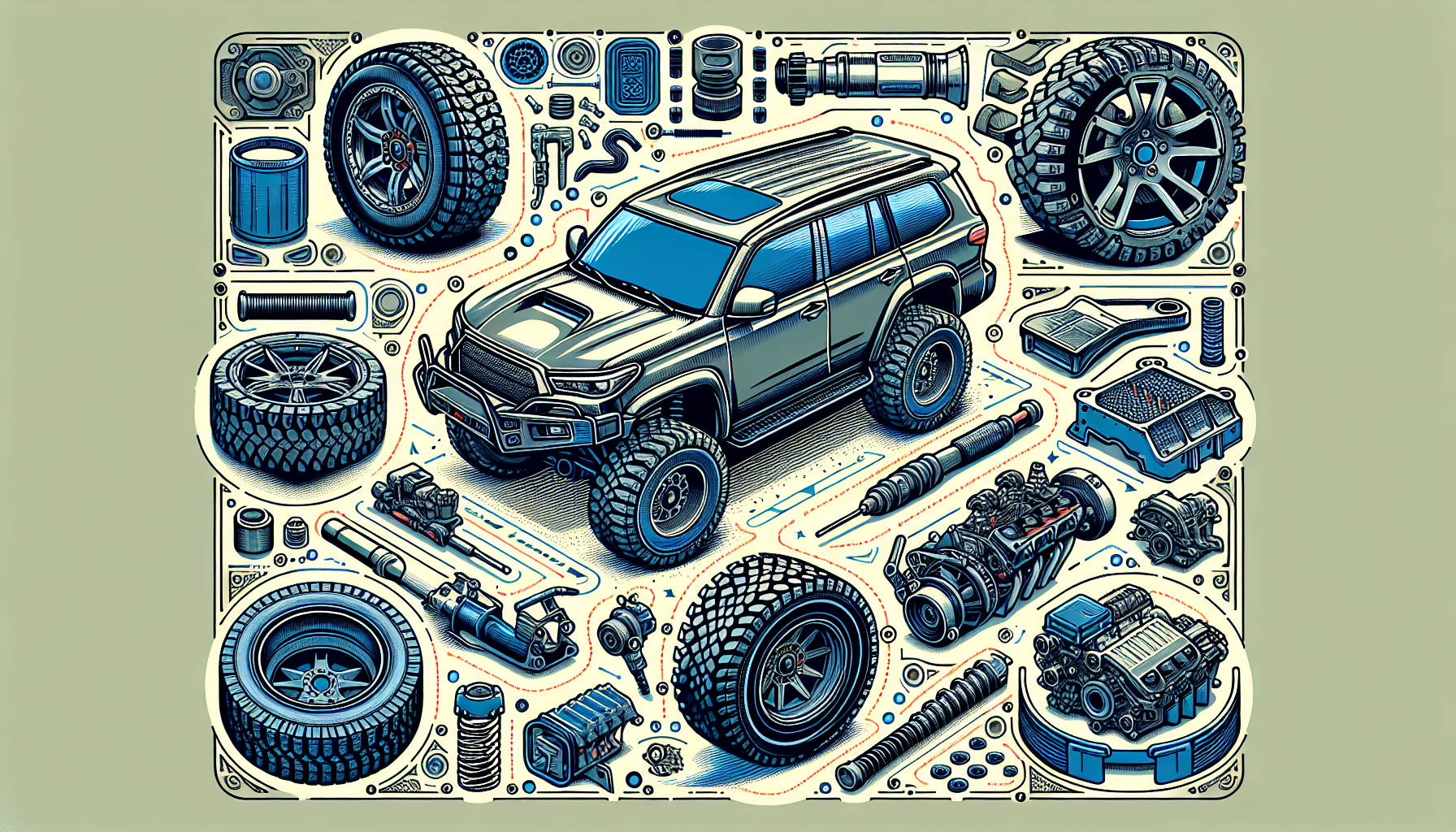
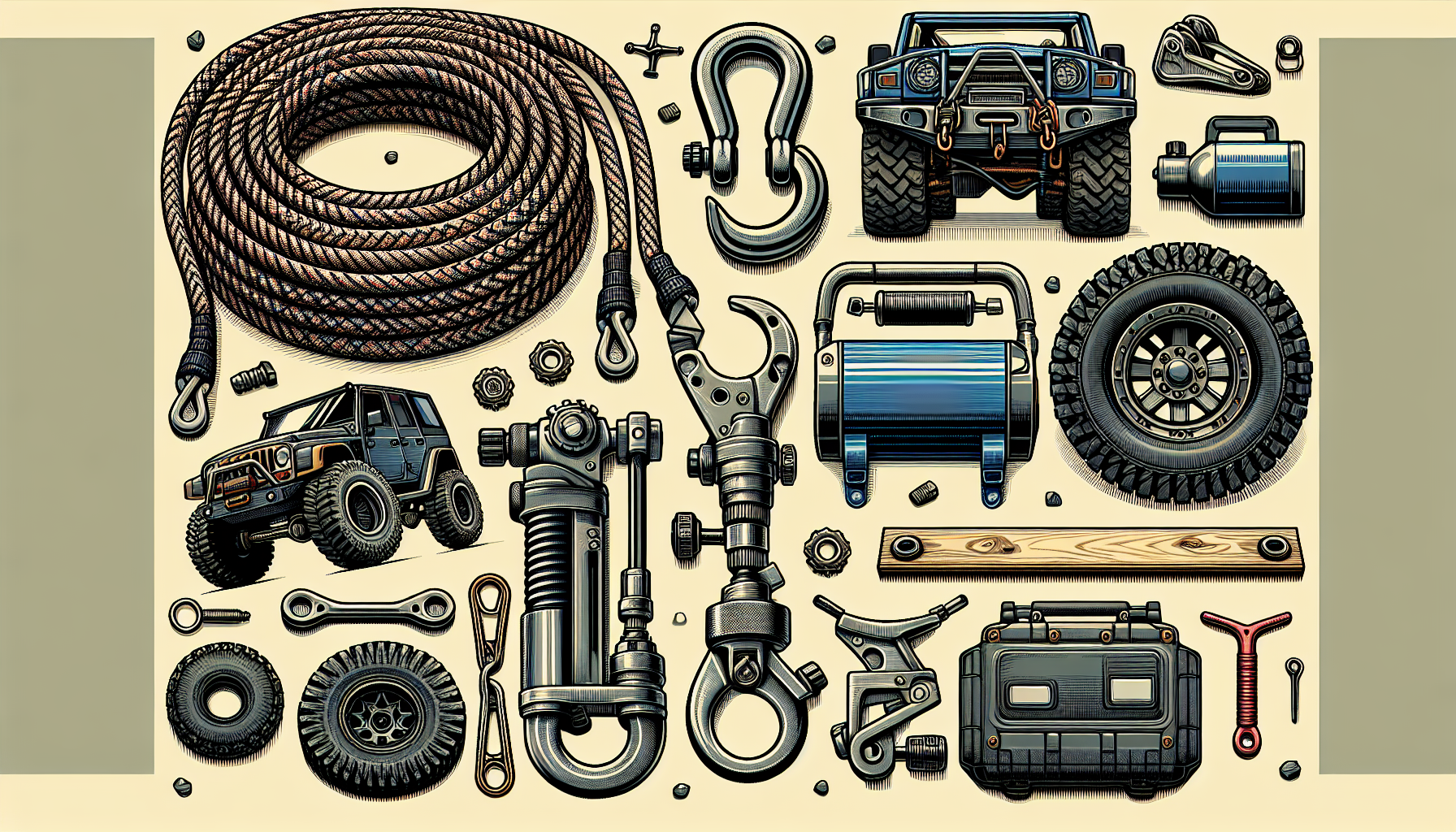
Using the correct equipment for your towing or recovery task is paramount. Just as you would not use a screwdriver to hammer a nail, you should never attempt a vehicle recovery with substandard or inappropriate gear. High-quality snatch straps, for instance, are engineered with elasticity, allowing for a kinetic recovery action that smoothly pulls a stuck vehicle out without harsh jolts that could damage either vehicle. A typical snatch strap might have a breaking strength of 17,600 pounds (8,000 kg), making it suitable for recovering vehicles up to 8,800 pounds. You can typically find a reliable snatch strap in the range of $70 to $150, a small investment compared to potential vehicle damage or a tow truck bill.
Beyond snatch straps, you also need rated shackles, which connect your recovery strap to your vehicle's designated recovery points. Never attach a strap to a bumper, axle, or tow ball, as these are not designed for recovery forces and can fail catastrophically. Winches, recovery dampeners, and gloves complete a comprehensive recovery kit. Investing in a quality kit, which might range from $200 to $500, ensures you have the right tools for various situations. This is not an area where you should cut corners; your safety and the integrity of your vehicles depend on robust, purpose-built gear.
Mastering Safe Towing Techniques for Vehicle Recovery
Knowing your equipment is only half the battle; understanding how to use it safely and effectively is the other. Vehicle recovery, particularly off-road towing, requires a methodical approach to prevent injury or damage. Always start by assessing the situation, identifying safe recovery points on both vehicles, and clearing the area of bystanders.
Consider this practical example: A 4x4 vehicle becomes deeply stuck in soft sand on a trail. Previously, the driver might have attempted to use a common steel chain, applying sudden, jerking movements. This often results in snapped chains, which become dangerous projectiles, or, in this specific case, a bent chassis point and a cracked bumper on the stuck vehicle, leading to a $600 repair bill, and the vehicle still remains stuck. The driver then faces an additional $300 for a professional recovery service.
Now, let us consider the impact of proper technique. The same 4x4 is stuck in soft sand. The driver and a recovery partner evaluate the situation, attach a 17,600-pound snatch strap to rated recovery points on both vehicles using heavy-duty shackles, and place a dampener over the middle of the strap. The recovery vehicle positions itself for a straight pull. The recovery driver then initiates a slow, steady acceleration, allowing the snatch strap to stretch and build kinetic energy. The stuck vehicle is smoothly extracted from the sand within minutes, without damage to either vehicle, and completely avoids the previous repair and tow costs. This controlled, kinetic pull minimizes stress on vehicle components and dramatically increases safety.
Communication is also crucial. Use hand signals or a two-way radio to ensure both drivers are aware of each other's actions. After a successful recovery, carefully unhook all gear, inspect it for damage, and store it properly for future use.
Pre-Towing Checks and Ongoing Gear Maintenance
Performing thorough pre-towing checks is as vital as the towing operation itself. Before every tow, inspect your tires, including those on the trailer, ensuring proper inflation levels. Check all lights, including brake lights, turn signals, and running lights, for both your tow vehicle and the trailer. Verify that all fluid levels, such as engine oil and transmission fluid, are optimal. Confirm that your hitch connection is secure, your safety chains are crossed and properly attached, and any electrical connections are firmly seated.
Regarding your recovery gear, regular inspection and maintenance extend its lifespan and ensure its reliability when you need it most. After each use, clean your snatch straps, shackles, and other equipment to remove dirt, mud, or sand. Check straps for fraying, cuts, or excessive wear. Inspect shackles for deformities, cracks, or corrosion. Proper care means your equipment will be ready to perform safely and effectively for years, preventing unexpected failures during critical moments.
Supporting Your Keyword Cluster
This article aims to build your topical authority around the critical subject of towing. By delving into aspects like vehicle capacity, essential recovery gear, and proper techniques, we enhance understanding of safe vehicle operations. This content supports a cluster of keywords including "vehicle recovery," "off-road safety," "snatch straps," and "recovery gear," establishing your website as a knowledgeable resource for all towing and recovery needs.
Are you looking to upgrade your recovery kit or invest in reliable towing equipment? You can explore our range of high-quality snatch straps and recovery gear to ensure you are always prepared for any situation. Visit us at Snatch Straps 1 today.
Comment