Master Off-Road Recovery: Your Essential Snatch Strap Kit
Mar 27,2026
Mastering Off-Road Recovery: Your Essential Snatch Strap Kit
Getting your vehicle stuck off-road, whether in soft sand, deep mud, or tricky terrain, can quickly turn an exciting adventure into a frustrating, costly ordeal. The feeling of wheels spinning helplessly, the clock ticking, and the potential for damage to your vehicle or even injury, all amplify the stress. Many vehicle owners underestimate the importance of proper recovery gear, relying on standard tow ropes or makeshift solutions that often fail, causing more problems than they solve. As an agency that understands the challenges you face in the field, we stress the critical role of reliable equipment. A high-quality snatch strap kit is not merely an accessory; it is a fundamental safety and efficiency tool, essential for any vehicle owner venturing beyond paved roads. It ensures you can recover your vehicle, or assist others, quickly and safely, minimizing downtime and avoiding expensive professional recovery services. Investing in the right snatch strap kit means investing in your peace of mind and the longevity of your vehicle.
What Defines a Quality Snatch Strap Kit?
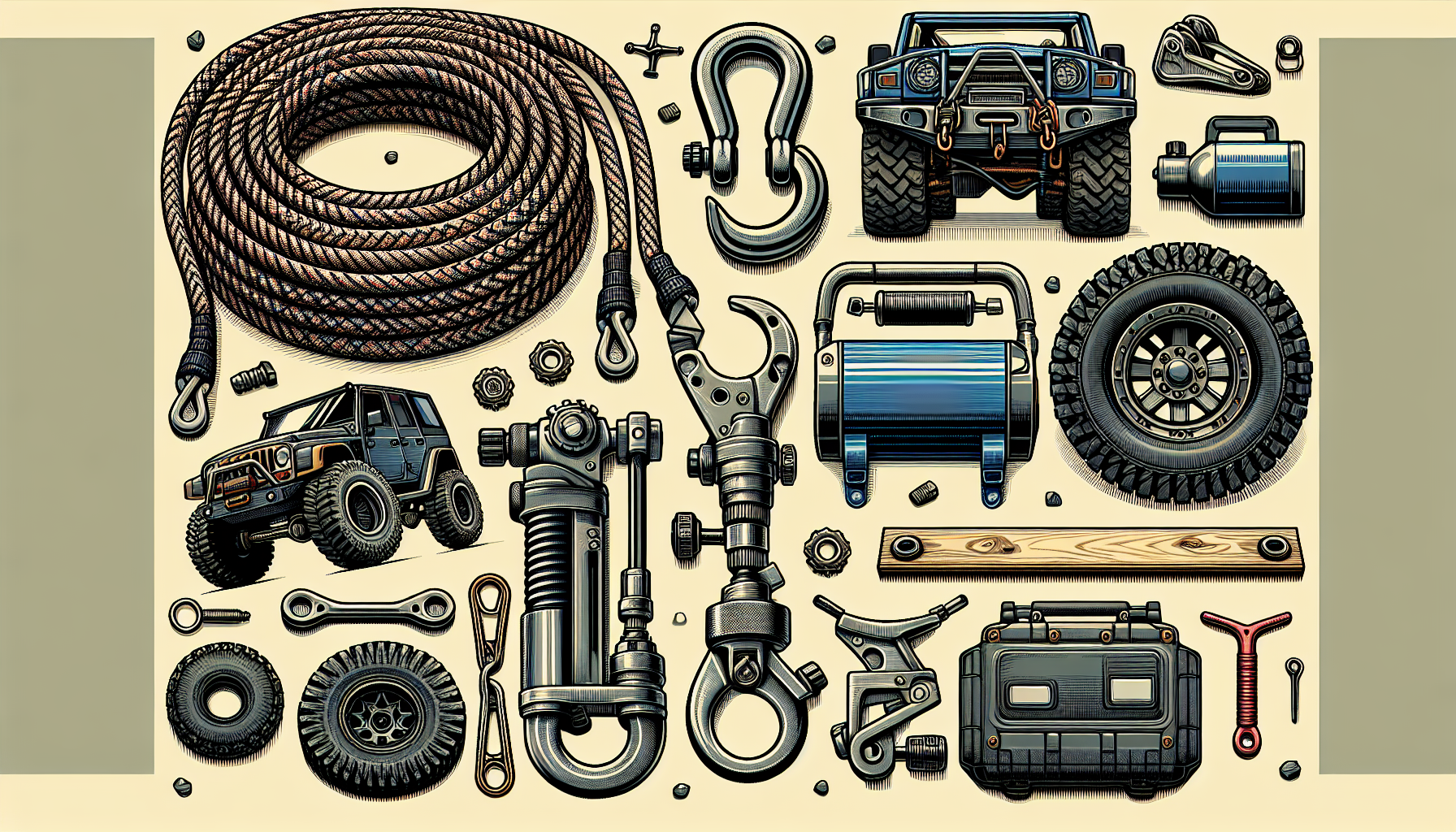
A comprehensive snatch strap kit consists of several components, each designed to work together for safe and effective vehicle recovery. At its core is the snatch strap itself, a dynamic recovery rope typically made from 100% nylon. This material allows the strap to stretch up to 20% of its length, creating kinetic energy that pulls a bogged vehicle out with a smoother, less jarring motion compared to static tow ropes. You should look for a strap with a Minimum Breaking Strength (MBS) appropriate for your vehicle, generally 2-3 times your Gross Vehicle Mass (GVM).
Beyond the strap, a quality kit includes robust shackles. These connect the strap to your vehicle's recovery points. You will typically find both hard shackles, made from forged steel, and soft shackles, made from high-modulus polyethylene (HMPE) rope. Hard shackles are incredibly strong, but they pose a higher risk if they break under tension. Soft shackles offer a safer alternative, as they carry less kinetic energy if they fail. A standard kit will often include at least two shackles, allowing for multiple attachment scenarios. For example, a 9-meter, 8,000 kg MBS snatch strap might cost around $100-$200 individually. A complete kit, including two 4.75-ton hard shackles and a pair of recovery gloves, could start around $250.
Essential safety components like a dampener, also known as a recovery blanket or bag, are also part of a proper snatch strap kit. You drape the dampener over the strap during a recovery to absorb energy and reduce projectile risk if the strap or an attachment point fails. High-visibility gloves protect your hands, and a durable storage bag keeps all components organized and ready for use. Ensuring these items are included and meet recognized safety standards, such as those from Australian or international regulatory bodies, ensures you have reliable tools for any recovery situation.
Selecting the Right Snatch Strap Kit for Your Vehicle and Terrain
Choosing the correct snatch strap kit requires careful consideration of your vehicle's weight and the specific environments you typically navigate. You must match the strap’s Minimum Breaking Strength (MBS) to your vehicle's Gross Vehicle Mass (GVM). As a general rule, the MBS of your snatch strap should be two to three times your vehicle's GVM. For instance, if your loaded vehicle has a GVM of 3,000 kg (6,600 lbs), you would need a snatch strap with an MBS between 6,000 kg (13,200 lbs) and 9,000 kg (19,800 lbs). Using a strap that is too weak risks failure, while one that is excessively strong might not stretch enough to generate the kinetic energy needed for recovery, potentially putting more stress on recovery points.
The terrain also influences your choice. For deep mud or soft sand, you might require a longer strap, perhaps 10 to 15 meters, to gain momentum or reach a stable anchor point. For more confined, rocky trails, a standard 9-meter strap is usually sufficient. Consider the brands known for their reliability, such as ARB, TJM, and Rhino. These companies often offer kits tailored to different vehicle classes and recovery needs.
Regarding pricing, the cost of a snatch strap kit varies widely based on brand, component quality, and included accessories. Basic kits suitable for lighter SUVs or occasional use might range from $150 to $300. Mid-range kits, offering higher MBS straps and better quality shackles for more frequent or demanding use, typically fall between $300 and $600. Premium kits, featuring top-tier components, specialized soft shackles, and additional recovery accessories, can cost $600 to over $1,000. Investing in a higher-quality kit often translates to greater durability and safety, making it a wise long-term decision for serious off-road enthusiasts.
Practical Recovery: Using Your Snatch Strap Kit Safely and Effectively
Properly using your snatch strap kit is crucial for both safety and successful recovery. You should always follow a clear procedure to avoid accidents and damage. First, clear the recovery area of bystanders. Next, ensure both the stuck vehicle and the recovery vehicle have rated recovery points. Never attach a snatch strap to a tow ball, bumper, or unrated chassis component; these points can fail catastrophically under load. Securely attach the snatch strap to the recovery points using appropriate shackles, ensuring the shackles are tightened but not overtightened.
Before the pull, drape a recovery dampener over the middle of the snatch strap. This simple step significantly reduces the risk of injury if the strap or a shackle breaks, by absorbing the energy and forcing any projectile downwards. The recovery vehicle should position itself in line with the stuck vehicle, creating minimal slack in the snatch strap. The recovery driver then accelerates gently, allowing the snatch strap to stretch and build kinetic energy. This controlled pull, rather than a harsh jerk, is what frees the stuck vehicle effectively and safely. Maintain clear communication between both drivers throughout the process.
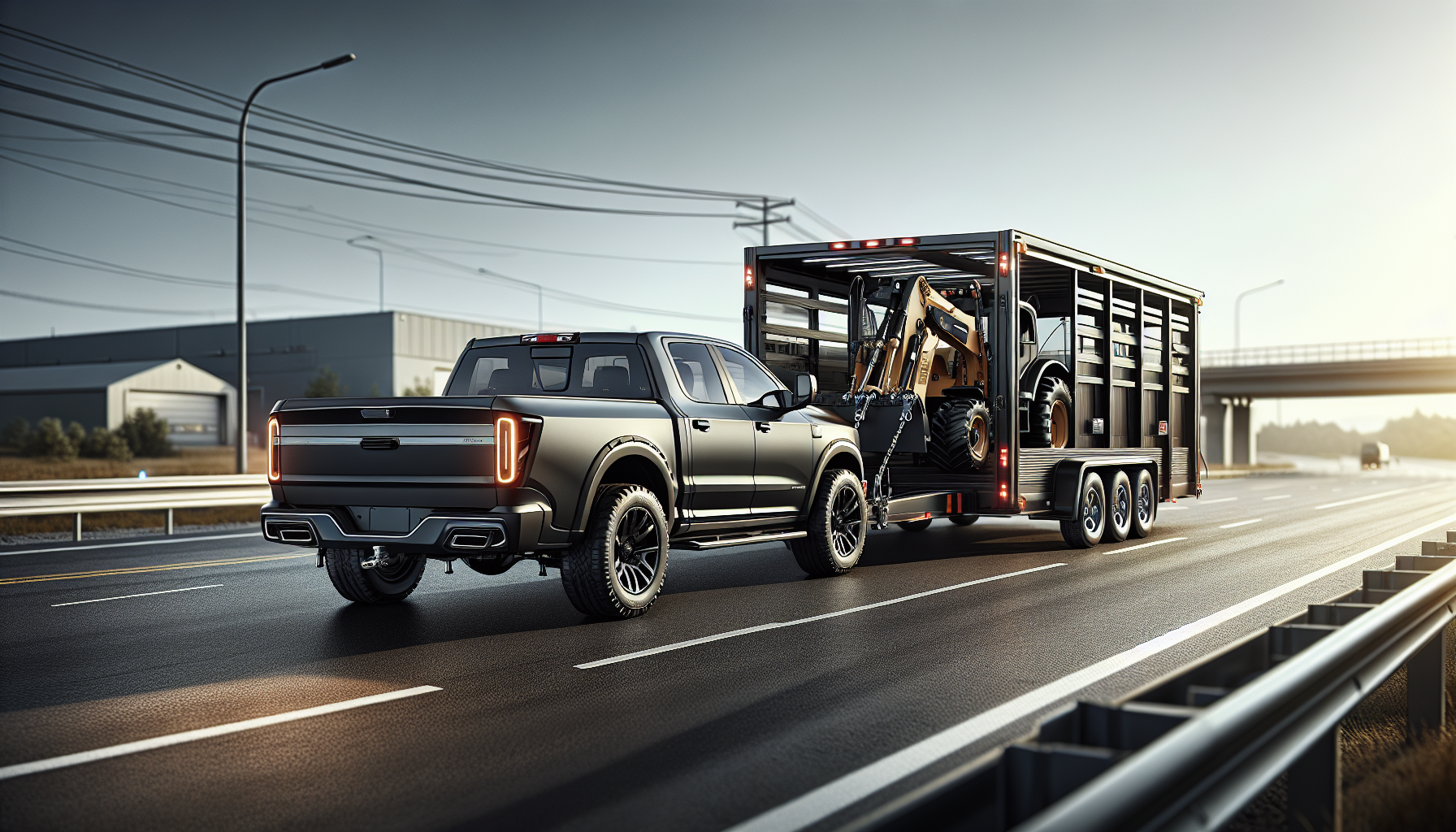
Consider this practical example: A client operating a landscaping business had a 6,000 lb utility truck, fully loaded with 3,000 lbs of equipment (total GVM 9,000 lbs), get deeply bogged in wet clay at a new construction site. Without a proper snatch strap kit, their team attempted to use a standard tow rope. This rope, rated for only 5,000 lbs, snapped violently on the first pull, damaging the truck's rear bumper and creating a dangerous projectile. The recovery effort stalled for three hours while they waited for a heavy-duty tow service, costing them $450 in lost work and an additional $200 for bumper repairs.
In contrast, with a properly selected 20,000 lb MBS snatch strap kit, the same vehicle would have been recovered in under 15 minutes. The team would have securely attached the strap to rated recovery points, placed a dampener, and used a second truck for a controlled pull. The strap’s elasticity would have smoothly extracted the bogged vehicle, incurring no damage, no lost work time, and no additional recovery costs. The initial investment in the snatch strap kit, perhaps $400, would have paid for itself many times over in this single incident by preventing downtime and costly repairs.
Maintaining Your Snatch Strap Kit for Long-Term Reliability
Proper maintenance of your snatch strap kit ensures its longevity and reliability when you need it most. After each use, especially after recoveries in mud or saltwater, you should clean your snatch strap. Rinse it thoroughly with fresh water to remove dirt, sand, and corrosive elements. Allow the strap to air dry completely in a shaded area, as direct sunlight can degrade nylon fibers over time. Never store a wet or dirty strap, as this can lead to mildew, rot, and weakening of the material.
Regularly inspect all components of your snatch strap kit. Examine the snatch strap for any cuts, abrasions, fraying, or signs of stretching or damage to the stitching. Check shackles for rust, cracks, bends, or deformation. Pay close attention to the pins on hard shackles, ensuring they thread smoothly and are not stripped. Inspect soft shackles for cuts or excessive wear on their protective sleeves. If you find any significant damage, you must replace the component immediately. A damaged snatch strap or shackle is a safety hazard and should not be used. Store your kit in its designated bag, away from direct sunlight, chemicals, and extreme temperatures, to preserve its integrity for years of reliable service.
Supporting Your Off-Road Preparedness
This discussion on the snatch strap kit serves as a foundational piece in a larger cluster of topics focused on off-road preparedness and vehicle recovery. Understanding this specific piece of equipment helps you build a comprehensive strategy for safe and efficient operations in challenging environments. This knowledge supports broader themes like vehicle safety equipment, adventure preparedness, and effective remote site management, ensuring your business stays on track regardless of the terrain.
Equipping your business with the right tools for off-road challenges is crucial. To explore more about enhancing your operational readiness and ensuring seamless performance, visit our service pages. You can learn more about how we help businesses with [link to Website Design page here] and [link to SEO Services page here], ensuring your online presence is as robust as your field operations.
Comment