ARB Snatch Strap: Essential Off-Road Recovery Guide
Mar 30,2026
Mastering Off-Road Recovery with an ARB Snatch Strap
Driving off-road offers an incredible sense of adventure, allowing you to explore terrains few others see. However, every serious off-roader eventually faces the inevitable challenge, getting stuck. A stuck vehicle can quickly turn an exciting trip into a frustrating, even dangerous, situation if you lack the proper recovery gear. We understand the importance of reliable equipment in these moments, and this is where an ARB snatch strap becomes an indispensable tool in your recovery kit. Relying on makeshift solutions or incorrect gear puts your vehicle, and potentially yourself, at significant risk. Investing in the right recovery tools, like a quality ARB snatch strap, ensures you can handle unexpected situations with confidence and efficiency. This approach protects your investment, minimizes downtime, and gets you back on the trail safely.
Understanding the ARB Snatch Strap: Dynamic Recovery Explained
An ARB snatch strap is a specialized piece of recovery equipment designed for kinetic energy recovery. It looks like a simple strap, but its true power lies in its material and construction, typically high-quality nylon webbing. Unlike a static tow rope, a snatch strap is designed to stretch, often by up to 20% of its resting length. When a recovery vehicle applies a controlled pull, the strap stretches, absorbing kinetic energy. This stored energy then assists in a smooth, progressive extraction of the bogged vehicle. This dynamic action prevents the violent jerking motions associated with rigid tow ropes, which can cause significant damage to recovery points, chassis, and drivelines.
The principal benefit of a snatch strap is its ability to create a "snatching" effect, using the elasticity to reduce the peak force on both vehicles while multiplying the pulling power. For example, an ARB snatch strap rated for 8,000kg allows a recovery vehicle to build a small amount of momentum, typically under 10-15 kilometers per hour, before the strap goes taut. This momentum is converted into stored energy within the strap, which then releases to pull the stuck vehicle free with a much smoother, more controlled force than a direct tow.
Choosing the Right ARB Snatch Strap for Your Vehicle
Selecting the correct ARB snatch strap involves a critical safety consideration: matching the strap's breaking strength to your vehicle's Gross Vehicle Mass, or GVM. You should choose a strap with a minimum breaking strength (MBS) of two to three times the GVM of the lighter of the two vehicles involved in the recovery. For instance, if your 4x4 weighs 2,500kg, you would look for an ARB snatch strap with an MBS between 7,500kg and 10,000kg. ARB offers various snatch straps to accommodate different vehicle weights, commonly found in 8,000kg, 11,000kg, and 15,000kg ratings. It is a mistake to use an undersized strap, as it risks breakage, and an oversized strap might not stretch effectively.
ARB snatch straps generally range in price from approximately $70 for an 8,000kg rated strap to around $150 for an 11,000kg or 15,000kg option. These prices reflect the quality of materials, construction, and rigorous testing that ensures safety and performance. Always review the product specifications carefully to ensure compatibility with your vehicle's weight and your recovery needs. Picking the correct rating provides a safety margin and ensures the strap performs as designed, providing the necessary kinetic energy transfer without overstressing components.
Safe and Effective Use of Your ARB Snatch Strap
Proper technique is paramount when using an ARB snatch strap to ensure safety and successful recovery. Before any recovery attempt, you must inspect your strap for cuts, abrasions, or sun damage. Always use rated recovery points on both the stuck and the recovery vehicle; never attach a strap to a tow ball, axle, or suspension component, as these are not designed for recovery loads and can cause catastrophic failure. Clear the area of bystanders, debris, and obstructions.
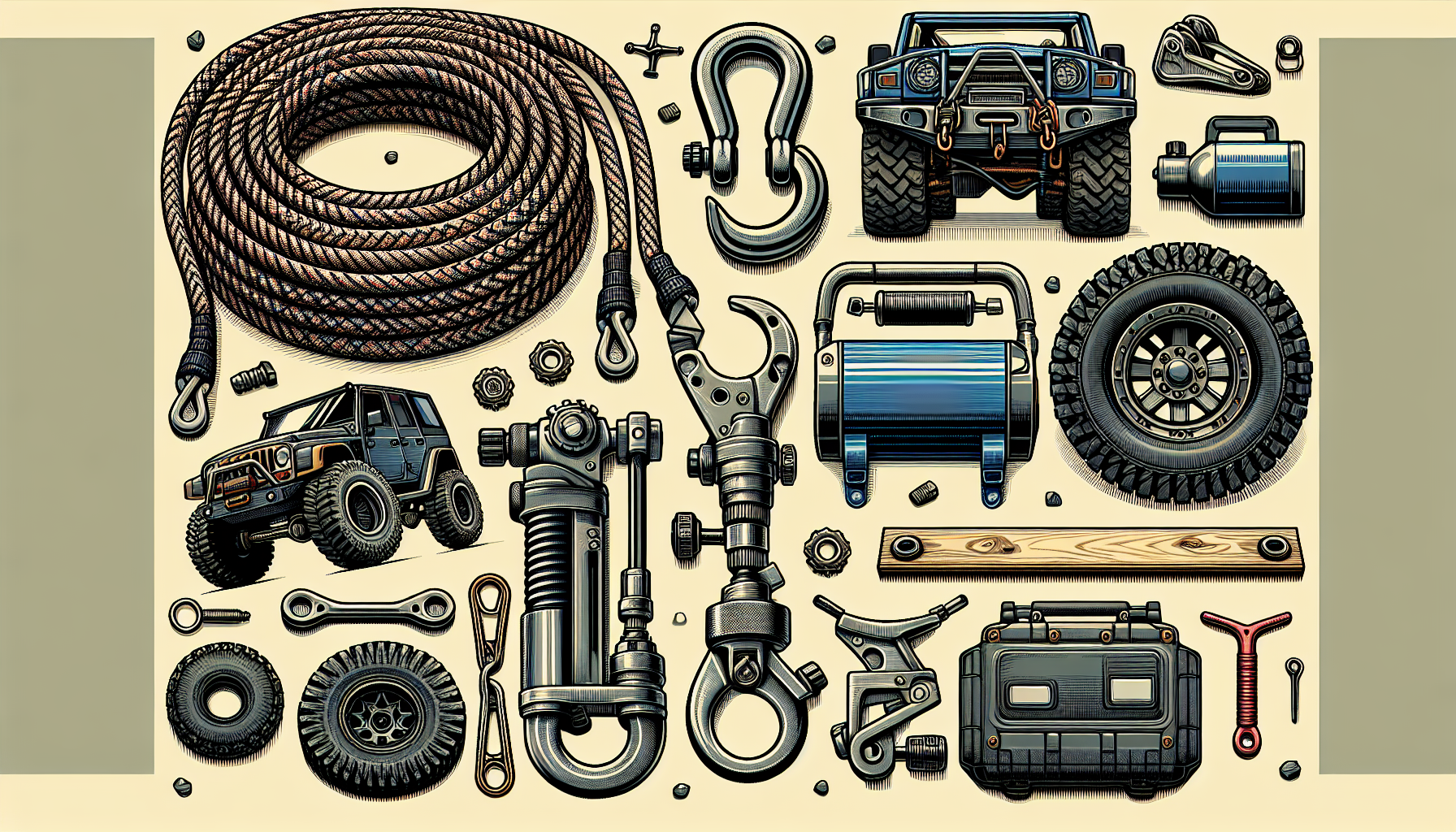
Attach the strap to the recovery points using rated bow shackles or soft shackles. Position a recovery dampener, like an ARB E-Z Deflator, over the center of the strap. This dampener helps absorb energy and reduces the danger of a flailing strap if a connection point fails. The recovery vehicle driver then takes up the slack in the strap and, after clear communication with the stuck vehicle's driver, begins a controlled, gentle acceleration. The key is a smooth, progressive pull, not a sudden jerk. The strap will stretch, then contract, pulling the bogged vehicle free.
Practical Example: Before and After Impact
Consider a situation where a heavy-laden 4x4 is stuck deep in soft beach sand. The driver, initially unprepared, attempts recovery with a conventional, non-elastic tow rope. Each pull from the recovery vehicle results in violent jolts, the tow rope going taut with a bang, and the stuck vehicle barely moving. The recovery vehicle’s tires spin, gaining little traction, and the tow rope appears to be under immense, unstable strain. After several failed attempts, the tow rope frays, and the driver risks vehicle damage from the repeated shocks to the chassis and drivetrain. The situation becomes frustrating, time-consuming, and potentially dangerous, especially if the tow rope were to snap and become a dangerous projectile.
Now, imagine the same situation, but this time, the recovery crew utilizes an ARB snatch strap. The strap is carefully connected to both vehicles' rated recovery points, and a dampener is applied. The recovery vehicle accelerates smoothly over a short distance, building modest momentum. The ARB snatch strap stretches, absorbing the kinetic energy. As the strap reaches its maximum stretch and begins to recoil, it delivers a controlled, powerful, yet gentle pull. Within seconds, the stuck 4x4 eases out of the sand, its wheels finding purchase, and it drives free. The recovery is completed in one smooth, efficient motion, without the jarring impacts, risk of damage, or prolonged effort seen with the rigid tow rope. This quick, safe, and effective recovery saves time, prevents costly vehicle repairs, and ensures everyone's safety on the trail, transforming a potential disaster into a manageable inconvenience.
Maintaining Your ARB Snatch Strap for Longevity
Proper maintenance significantly extends the life and reliability of your ARB snatch strap. After each use, regardless of whether it looks dirty, you should thoroughly rinse the strap with fresh water to remove sand, mud, salt, and other contaminants. Allow the strap to air dry completely in a shaded area, away from direct sunlight, as UV exposure can degrade the nylon fibers over time. Never store a wet or damp strap, as this can lead to mold and mildew, compromising its strength.
Regularly inspect your strap for any signs of damage before and after each use. Look for cuts, nicks, frayed edges, excessive abrasion, melted spots from heat, or any discoloration that might indicate UV degradation. Even minor damage can severely reduce a strap's breaking strength. If you find significant damage, it is time to replace the strap. Store your clean, dry strap in a dedicated recovery bag, keeping it protected from dirt, chemicals, and sunlight in your vehicle. A well-maintained ARB snatch strap will reliably serve you for many recoveries.
This comprehensive guide to the ARB snatch strap supports a broader keyword cluster around off-road recovery. By detailing the function, selection, safe use, and maintenance of this essential tool, the content contributes to understanding vehicle recovery gear, off-road safety practices, and 4x4 accessory knowledge. It provides practical information for individuals seeking to enhance their off-road readiness and perform safe, effective vehicle extractions.
Ensuring you have the right gear for any off-road adventure is crucial for both safety and enjoyment. Explore our range of recovery equipment and learn how to further enhance your vehicle's capabilities for every journey.
Comment