Essential 4WD Recovery Gear: Master Off-Road Challenges
Apr 17,2026
Mastering Off-Road Challenges with Essential 4WD Recovery Gear
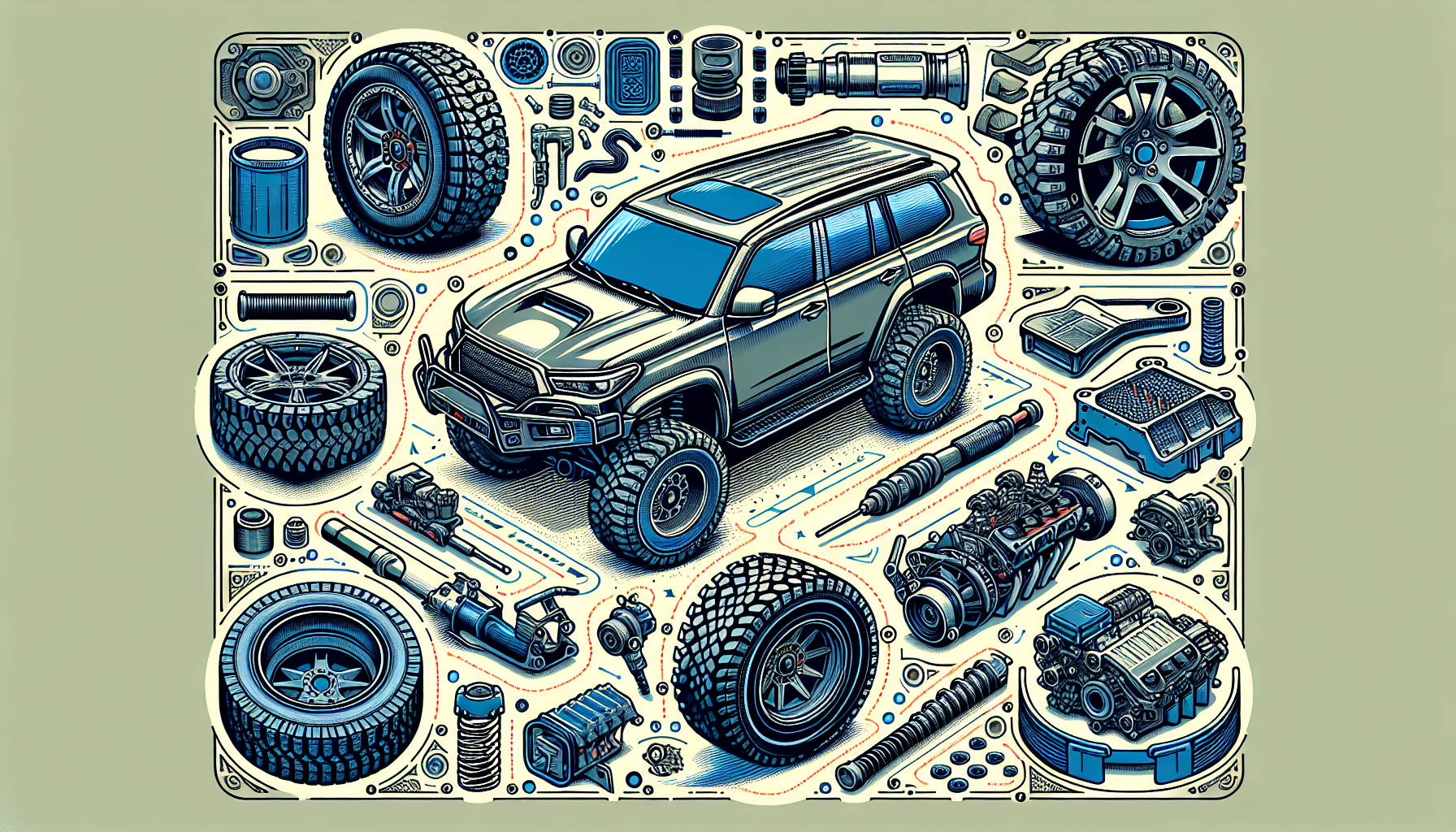
Navigating challenging off-road terrains offers unparalleled adventure and excitement. However, these demanding environments also present significant risks, including getting your vehicle stuck. Imagine yourself miles from civilization, your 4WD high-centered on a rocky track or bogged deep in mud. Without the right 4WD recovery gear, this thrilling journey quickly turns into a costly, frustrating, and potentially dangerous ordeal. We understand the importance of reliable equipment, for instance, a well-prepared recovery kit can make the difference between a minor setback and a complete disaster. You must prioritize investing in high-quality 4WD recovery gear to ensure your safety and protect your vehicle.
Ignoring the necessity of proper recovery equipment is a common mistake for both new and experienced off-road enthusiasts. Many assume they will avoid difficult situations, or that a cheap, basic kit will suffice. This overlooks the brutal reality of off-road conditions, where even slight miscalculations can lead to immobilizing your vehicle. Our aim is to equip you with the knowledge to select and use essential 4WD recovery gear effectively, allowing you to confidently tackle any trail. This proactive approach safeguards your investment, ensures you return home safely, and protects your peace of mind.
Understanding Essential 4WD Recovery Gear Components
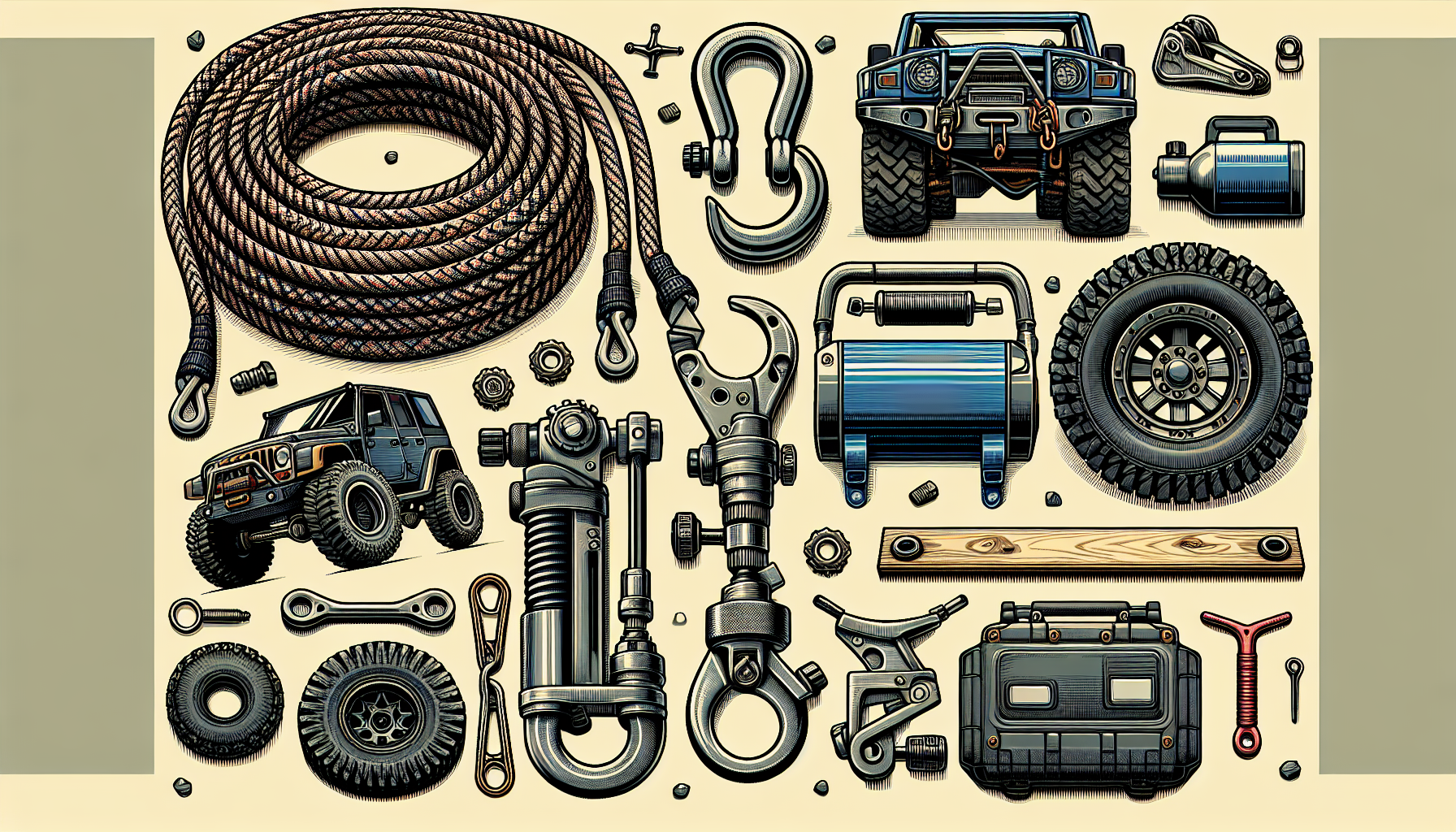
Building a comprehensive 4WD recovery gear kit requires more than just throwing a few ropes into your truck. You need specific tools designed for different recovery scenarios. Consider these core components, each playing a vital role in safe and efficient vehicle extraction.
Snatch Straps (Kinetic Recovery Ropes): These are critical for dynamic recoveries. A 9-meter, 8,000 kg rated snatch strap, costing around $80-$150, stores kinetic energy, providing a controlled pull to free a bogged vehicle. Ensure your strap has protected eyes and is suitable for your vehicle’s gross vehicle mass.
Recovery Dampener: When using a snatch strap or winch rope, a dampener, priced about $30-$60, significantly reduces the risk of injury if a strap or rope breaks. You simply place it over the strap to absorb energy.
Soft Shackles: Replacing traditional steel shackles, soft shackles, typically $40-$80 each, are lighter, safer, and less damaging to vehicles. Rated for high breaking strengths, they are excellent for connecting straps and ropes. Always use rated recovery points on your vehicle.
Rated Bow Shackles: If you prefer steel, ensure you use rated bow shackles. These cost around $15-$30 each. Match their working load limit to your recovery equipment and vehicle’s weight.
Winch and Winch Accessories: For serious recoveries, a good electric winch is indispensable. A 10,000-pound synthetic rope winch costs between $600 and $1,500. You also need a winch blanket, gloves, and a tree trunk protector, which is around $50-$100, to prevent damage to trees and your winch line.
Recovery Boards (Maxtrax or similar): These provide traction when you are stuck in sand, mud, or snow. A pair of quality recovery boards ranges from $200-$400. They are simple to use, you wedge them under your tires, and then you drive out.
High-Lift Jack: Useful for lifting a vehicle to clear obstacles or change a tire in difficult terrain. A high-lift jack costs around $150-$250. Learn to use it safely, as it can be dangerous if mishandled.
Shovel: A good quality, robust shovel, costing $30-$70, is surprisingly effective for clearing mud, sand, or debris from around your tires and chassis.
Each piece of gear plays a specific role, and having a diverse selection prepares you for various recovery challenges. You should always inspect your 4WD recovery gear before and after each trip to ensure it remains in top condition.
Planning Your Recovery Strategy, Not Just Your Gear
Owning the right 4WD recovery gear is only half the battle, you must also know how to use it safely and effectively. A well-thought-out recovery strategy saves time, prevents further damage, and keeps everyone safe. Before you even head out, take the time to familiarize yourself with your equipment. Read the manuals, watch instructional videos, and consider attending a certified off-road recovery course. Many organizations offer these courses, with prices typically ranging from $200 to $500 for a one-day session. These courses teach you critical techniques like proper winch operation, snatch strap use, and vehicle stabilization.
When faced with a recovery situation, resist the urge to rush. Take a moment to assess the situation. What type of terrain are you in, for example, sand, mud, or rocks? How is the vehicle stuck, is it high-centered or just bogged? What are the potential anchor points, such as trees or other vehicles? Plan your recovery steps methodically. Clear the area of bystanders, and ensure everyone involved understands their role. Communicate clearly, use hand signals, and maintain line of sight if possible. For instance, if you are performing a winch recovery, ensure the winch line is spooled correctly, and the anchor point is secure. Place a dampener on the line, and control the winch from a safe distance. This deliberate approach minimizes risks and maximizes success.
Real-World Recovery: A Practical Example
Consider a common scenario: Your 4WD, a fully-loaded touring vehicle weighing approximately 3,000 kg, gets bogged in deep, sticky mud on a remote track. Without proper 4WD recovery gear, your options are limited, for example, waiting for rescue, which could take hours or even days, or attempting a risky, unequipped self-recovery that could damage your vehicle further. Let us illustrate the impact of having the right gear.
Before Recovery Gear: Your vehicle is stuck, tires spinning uselessly. You try rocking it, digging with bare hands, and placing branches under the tires, but nothing works. After an hour of exhausting, ineffective effort, the situation remains unchanged. The sun begins to set, and frustration mounts. Your vehicle now faces potential water ingress, increased risk of damage, and you face significant discomfort, not to mention a potentially expensive tow bill, often ranging from $500 to $2,000 for remote recoveries.
With Recovery Gear: You calmly assess the situation. You grab your robust shovel and quickly clear mud from around the tires and chassis. You then position your recovery boards firmly under each drive wheel. Carefully, you engage low-range and slowly apply throttle. The tires grip the boards, and your vehicle gains traction, slowly but surely pulling itself free from the mud. The entire process takes approximately 15 minutes of calm, controlled effort. You have avoided damage, saved hundreds of dollars in towing fees, and continued your journey with minimal delay.
This example highlights how a relatively small investment in recovery boards, costing around $200-$400, saved significant time, money, and stress. The ability to self-recover builds confidence and ensures your off-road adventures remain enjoyable, not disastrous.
Supporting Your Off-Road Journey, From Planning to Recovery
This discussion on 4WD recovery gear is part of a broader commitment to helping you navigate the complexities of off-road vehicle preparation and safe adventuring. Understanding essential recovery tools fits within a larger topic cluster focused on responsible off-road travel, vehicle modification planning, and safety protocols. By addressing specific components like winches, snatch straps, and recovery boards, we aim to provide practical knowledge that complements other aspects of your off-road planning, such as vehicle maintenance, navigation, and trip preparation. This ensures you possess a holistic understanding of what it takes to explore remote areas confidently and safely.
Planning your off-road adventures means considering every detail, from the trail you choose to the equipment you carry. Your vehicle is an investment, and protecting it, along with ensuring your personal safety, should always be paramount. Arming yourself with knowledge and reliable 4WD recovery gear prepares you for the unexpected, transforming potential problems into manageable situations.
Are you looking to enhance your off-road capabilities or plan your next adventure with greater confidence? Visit our resources section to explore more articles on vehicle preparation, safety tips, and expedition planning. Discover how our expertise can help you make informed decisions for all your off-road needs.
Comment